
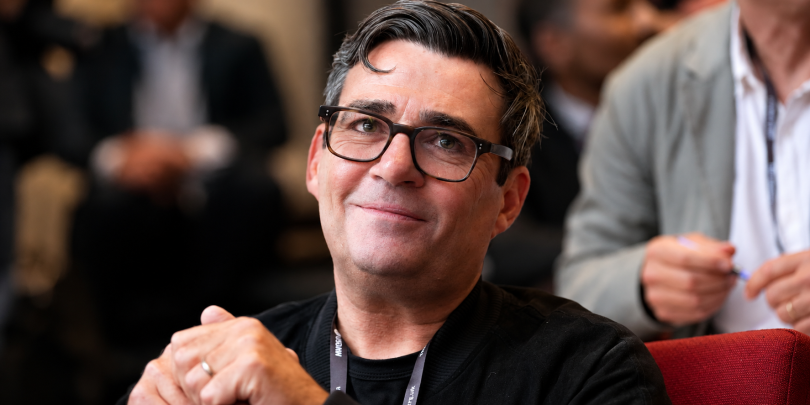
Andy Burnham has named senior figures to his new Labour cabinet after taking office as Prime Minister. The appointments mark the start of his leadership team following Sir Keir Starmer’s departure.
Workers, families and businesses across the UK will want to know how these changes could affect taxes, housing and public services. The new team is expected to set out detailed plans in the coming weeks, and readers should check official sources for confirmed policy updates.
Andy Burnham himself leads as Prime Minister. He secured strong support from Labour MPs and has spoken about moving power away from central government. His early priorities include more public involvement in key sectors like water and energy, alongside building extra council homes, while holding to promises not to increase main rates of income tax, VAT or National Insurance.
Burnham, originally from Aintree, has a long record in politics. He served as health secretary before becoming mayor of Greater Manchester and returned to Parliament earlier this year.
John Healey takes the role of Chancellor. This move comes shortly after he stepped down as defence secretary. He brings experience from previous Treasury work and has built connections with economic partners abroad.
Louise Haigh has been appointed Chancellor of the Duchy of Lancaster. She will oversee a new unit aimed at giving more power to regions and supporting reforms in utilities and regeneration. She is viewed as one of Burnham’s key allies.
Ed Miliband moves into the position of Foreign Secretary. He previously led on energy and net zero issues. Miliband has deep roots in Labour, including a past spell as party leader.
Shabana Mahmood continues as Home Secretary. In this role she deals with immigration, national security and policing across England and Wales. She is known among colleagues for a firm stance on border control.
These positions follow the usual government appointment process. The Prime Minister recommends ministers, who are then formally approved. Not every post has been filled yet, so further names may follow soon.
The makeup of the cabinet helps decide the direction of government policy. With the UK facing pressures on living costs and housing, the choices signal where Burnham wants to focus effort.
Background on the transition shows a period of change. Burnham took over quickly after Starmer‘s resignation. His team mixes experienced hands with newer voices who have worked on regional issues.
For instance, several appointees have ties to northern England, which could influence decisions on devolution and local funding. The government must still operate within existing spending rules, meaning not all ideas can be delivered immediately.
Watch for how these ministers handle day-to-day decisions. The Chancellor will play a central part in managing the economy, while the Foreign Secretary deals with international relations at a time of global uncertainty.
The Home Secretary’s brief covers sensitive topics such as immigration numbers and crime levels. Any shifts here could affect communities up and down the country.