
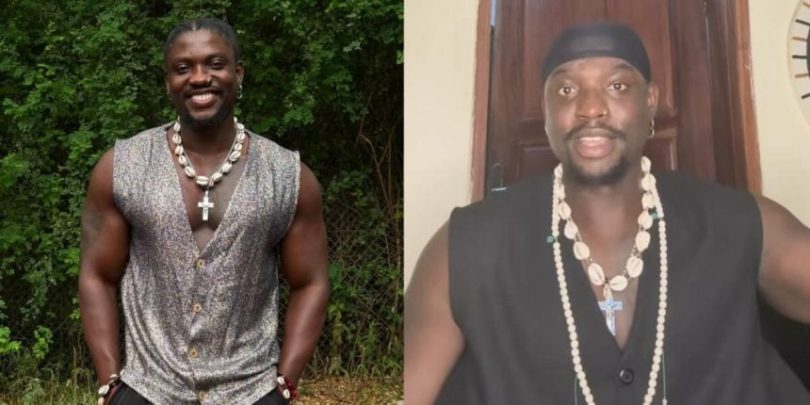
Few Nigerians without political office can force celebrities, companies, religious figures and public institutions into immediate response. VeryDarkMan has built that kind of influence through a smartphone, relentless online engagement and a style many supporters see as fearless.
In today’s Nigeria, public influence is no longer controlled only by politicians, television stations or wealthy business figures. Social media has changed the structure of power. A digital personality with massive engagement can now shape national conversations faster than traditional institutions. VeryDarkMan represents that shift.
Martins Vincent Otse, popularly known as VeryDarkMan, rose from online commentary into one of the country’s most visible public figures by focusing on issues many Nigerians already discuss privately: alleged fraud, abuse of privilege, celebrity misconduct, consumer complaints and social hypocrisy.
What makes his influence unusual is that it extends beyond entertainment. His videos regularly trigger debates on radio, television, blogs and political spaces. In several cases, individuals and organisations mentioned in his content have responded publicly after his videos gained traction online.
PrimeTimes estimates his weighted influence score at 89.1/100, placing him among Nigeria’s strongest digital-era personalities whose influence cuts across youth culture, media visibility and public accountability.
The weighted score was calculated using seven indicators: institutional influence, audience reach, measurable public impact, cultural relevance, political relevance ahead of 2026, generational appeal and recognition beyond Nigeria. The assessment combines media visibility, online engagement, public response patterns and national relevance.
VeryDarkMan ranks among Nigeria’s most influential digital personalities because he understands how public frustration works online. He speaks in a direct style that many Nigerians consider more authentic than carefully managed public relations language.
His influence became especially visible during several online disputes involving celebrities, social commentators and businesses where his interventions drew nationwide attention and forced public reactions. In some cases, brands and individuals issued clarifications after online pressure intensified around issues he amplified.
Supporters see him as a digital activist willing to challenge powerful people without fear. Critics argue that his confrontational approach sometimes encourages online hostility, emotional judgment and trial-by-social-media culture.
That tension is central to his influence.
Unlike entertainers whose popularity depends mainly on music or film, VeryDarkMan’s relevance depends on public confrontation. Every controversy increases visibility, strengthens supporter loyalty and keeps him at the centre of online discussion.
His rise also reflects a wider national shift. Many young Nigerians have grown increasingly sceptical of political institutions, traditional media and official channels for accountability. As trust in institutions weakens, independent digital voices are becoming more powerful.
VeryDarkMan has benefited directly from that environment.
He communicates like someone outside elite structures, and that outsider image appeals strongly to followers who believe ordinary Nigerians are often ignored by people in power.
His strongest base remains younger audiences. Many followers may not agree with every statement he makes, but they see him as someone willing to say publicly what others avoid. That emotional connection gives him unusual staying power in Nigeria’s fast-moving digital culture.
Still, his influence carries risks.
Critics have repeatedly questioned the accuracy, tone and consequences of some of his online confrontations. Others worry that social media influence built around outrage can deepen public hostility and reduce complex issues into emotional battles.
Those criticisms have not reduced his visibility. If anything, they have expanded it.
As Nigeria approaches another political cycle, digital personalities capable of shaping public attention may become even more influential. Political actors increasingly understand that online narratives now affect public mood, youth engagement and national debate in real time.
VeryDarkMan’s influence may not come from elected office, inherited wealth or institutional authority. It comes from something increasingly valuable in modern Nigeria: the ability to command attention and shape conversation at scale.
He is influential because he combines digital reach, youth loyalty, controversy survival and public visibility into one powerful media identity.
His videos made people notice him. His confrontations kept him relevant. But his understanding of public anger, distrust and online culture is what turned attention into influence.