
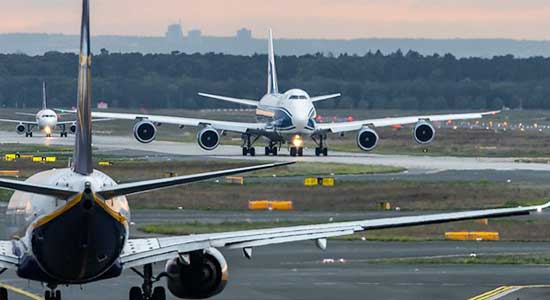
Nigerian airlines have significantly increased their minimum base fares, with one-way tickets on some routes now rising to ₦200,000 and above.
The increase, which represents a sharp jump in domestic airfares, comes amid rising operational costs and mounting pressure on airline cash flow, although industry sources said the latest review was not directly tied only to the cost of aviation fuel, also known as Jet A1.
Checks on airline booking portals showed that the fare adjustment affected several domestic carriers, though a few airlines were yet to fully adjust their fares as of the time of this report.
Aviation fuel currently sells for about ₦2,650 per litre in some airports across the country.
United Nigeria Airlines has reportedly fixed its minimum base fare at ₦200,000 per flight, irrespective of route, while Air Peace adjusted its fares to about ₦211,600 for one-way tickets.
Ibom Air also raised its base fare to about ₦200,300, while Arik Air still maintained fares of about ₦113,000 and ₦114,000 for flights from Abuja to Lagos.
Aero Contractors retained fares ranging between ₦123,127 and ₦146,702 on selected routes, while ValueJet fares for Lagos to Abuja flights stood between ₦118,571 and ₦132,857.
Industry sources said the fare hike became unavoidable as domestic airlines continue to grapple with high operating expenses, low cash flow and rising debts.
An official of one of the airlines, who spoke anonymously, said the decision was taken after careful consideration of the current economic realities facing operators.
According to the source, the upward review was not a collective decision by all airlines, but an individual business decision taken by operators based on their financial realities.
“We have adjusted our minimum fares to a minimum of ₦200,000 per flight, irrespective of the route. This is something we have done with a lot of pain and after serious consideration of many factors,” the source said.
“We cannot continue to subsidise travellers with the current situation of Jet A1. Without the adjustment, there will be a serious crisis in the industry. Cash flows have run out and debts are mounting.”
The source appealed to passengers for understanding, saying the increase was necessary to keep domestic airlines in operation.
“It is a painful decision, but we cannot continue to bury our heads in the sand,” the source added.
The Federal Government had earlier promised intervention measures to reduce the impact of rising aviation fuel prices on domestic operators, but as of Tuesday, no concrete step had been taken.
Meanwhile, the Federal Airports Authority of Nigeria, FAAN, has assured passengers and stakeholders that preventive measures have been strengthened across international airports following recent Ebola Virus Disease alerts in parts of Central Africa.
FAAN said it is working closely with Port Health Services, the Nigeria Centre for Disease Control and Prevention, NCDC, and other relevant agencies to enhance surveillance and passenger screening, particularly for travellers arriving from high-risk regions.
According to the authority, passengers are being screened for Ebola-related symptoms, while suspected cases will be immediately isolated and handled in line with national and international health protocols.
FAAN added that staff training, emergency response systems and inter-agency coordination have also been reinforced to ensure rapid response where necessary.
The agency said there is currently no confirmed case of Ebola in Nigeria, but urged travellers to remain calm, comply with screening procedures and promptly report symptoms to health officials.