
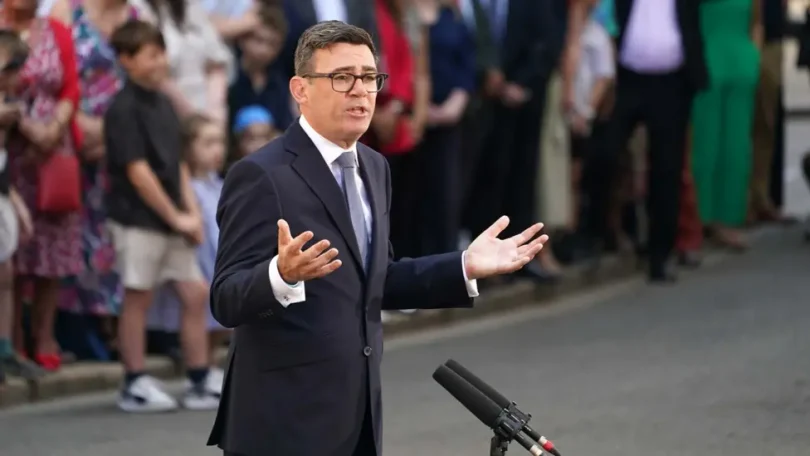
Andy Burnham has become the new UK prime minister, promising action on the cost of living, public services, regional inequality and rough sleeping. He formally replaced Sir Keir Starmer on Monday, 20 July 2026, after being appointed by King Charles at Buckingham Palace, but households should wait for detailed government announcements before expecting changes to tax, benefits or bills.
Burnham entered Downing Street after Starmer formally submitted his resignation to the King. The monarch then invited the new Labour leader to form a government, completing the constitutional transfer of power.
A general election was not required because Labour continues to command a majority in the House of Commons. Under the UK parliamentary system, a governing party can change its leader and prime minister between general elections, provided the new leader can retain the confidence of MPs.
Burnham is now the seventh UK prime minister in a decade, underlining the political instability Britain has experienced since the 2016 Brexit referendum.
In his first speech outside 10 Downing Street, Burnham said his government would offer people “some breathing space now” as it prepares measures aimed at easing pressure on household finances.
He said the first steps would be announced from Tuesday, including an explanation of how they would be funded. However, he did not provide full details of the policies in his opening address.
Any changes to income tax, National Insurance, benefits or government spending would normally require a formal Treasury announcement. Some measures could also need legislation and parliamentary approval before taking effect.
Burnham said he would publish a 10-year plan for Britain later in 2026. The plan is expected to focus on economic renewal, greater regional control, stronger public services and the revival of industries in communities that have suffered from long-term decline.
He described his arrival in office as a possible “circuit breaker” for the country after years of political upheaval. He also promised to transfer more decision-making power from Westminster to regions and local authorities.
The former Greater Manchester mayor has argued that councils and regional leaders should have greater influence over transport, housing, employment and economic development. Supporters believe his experience outside Westminster could help him develop policies that respond more closely to local needs.
Burnham said one of his first instructions as prime minister would be to begin work towards ending rough sleeping across the country.
The pledge is significant but will not be easy to deliver. Rough sleeping is linked to several problems, including high rents, a shortage of affordable homes, mental health difficulties, domestic abuse and people leaving prisons or asylum accommodation without secure housing.
As Greater Manchester mayor, Burnham previously promised to end rough sleeping in the region by 2020. The target was not fully achieved, although the number of people sleeping on the streets fell for a period before rising again.
His national plan is therefore likely to require more social housing, additional council funding and stronger support services. It may also involve changes to housing benefits and the private rental market, but no complete policy package has yet been announced.
Burnham began appointing his Cabinet on Monday, naming former defence secretary John Healey as Chancellor of the Exchequer. The choice places Healey in charge of the Treasury at a time when the Government faces pressure to improve public services without allowing borrowing to rise sharply.
The new prime minister inherits a weak economy, pressure on the NHS, concerns about migration and continuing demands for help with living costs.
He must also respond to the electoral threat from Reform UK and rebuild support for Labour after the internal divisions that led to Starmer’s resignation. The speed of Burnham’s rise has prompted questions about scrutiny because he was the only candidate to qualify for the Labour leadership contest, securing nominations from 379 of the party’s 403 MPs.
His supporters argue that an uncontested election allowed Labour to avoid a damaging internal battle and restore stability quickly. Critics may question whether his spending plans, housing promises and proposals for greater public control have been examined in enough detail.
Burnham has said he will take a cautious approach to the economy and avoid unnecessary financial risks. The main test will be whether his government can fund its promises without imposing unexpected tax increases, making deep cuts elsewhere or unsettling financial markets.
For the public, Burnham’s appointment does not create any immediate change to tax bills, benefits, pensions, immigration status or access to public services. Readers should monitor official announcements from Downing Street, the Treasury and relevant government departments before making financial decisions based on the new prime minister’s promises.