
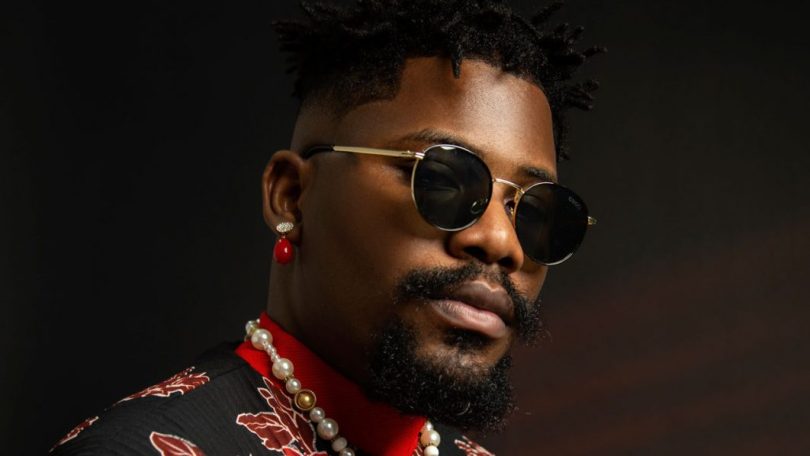
The music star had recently sparked widespread debate after criticising the current trend of online entertainment in Nigeria, which he labelled an “olodo uprising”. In his comments, YCee argued that many Nigerians were increasingly embracing low-quality content at the expense of educational and intellectually engaging entertainment.
His remarks generated mixed reactions across social media platforms, with some users agreeing with his concerns about the quality of digital content, while others accused him of unfairly singling out Peller.
Critics argued that the rapper could have expressed his opinion without mentioning the popular content creator by name, describing the move as unnecessary and potentially damaging.
However, speaking during a recent interview on Cool FM Lagos, YCee stood firmly by his comments, maintaining that he owed no one an apology.
According to the rapper, many people had misunderstood the context of his statement, while others had deliberately misrepresented his views.
He further claimed that the backlash against his comments only reinforced his belief that the issue he highlighted was more widespread than he initially thought.
“Some people are saying I shouldn’t have called Peller’s name, but I said what I said. If you feel offended, you should check yourself,” YCee said.
He added, “A lot of people are also taking what I said out of context. The olodo uprising is even worse than I thought because there are so many people coming out to defend it.”
The rapper explained that his criticism was not directed at any individual but at what he sees as the growing preference for content that offers little educational or intellectual value.
YCee stressed that his message was intended for Nigerians who are growing weary of the increasing dominance of “brain-rot” content across social media platforms.
He also encouraged educated and creative individuals to take advantage of the digital space by producing more meaningful and engaging content.
“My call is to people that are tired of brain-rot contents. There is no reason why intelligent people cannot be streamers or content creators,” he said.
The controversy has continued to generate conversations online, with supporters arguing that YCee raised a valid concern about the quality of content consumed by young Nigerians, while critics insist that entertainment should not be judged solely by academic or intellectual standards.
Despite the criticism, YCee has made it clear that he stands by his comments and has no intention of retracting or apologising for them.