
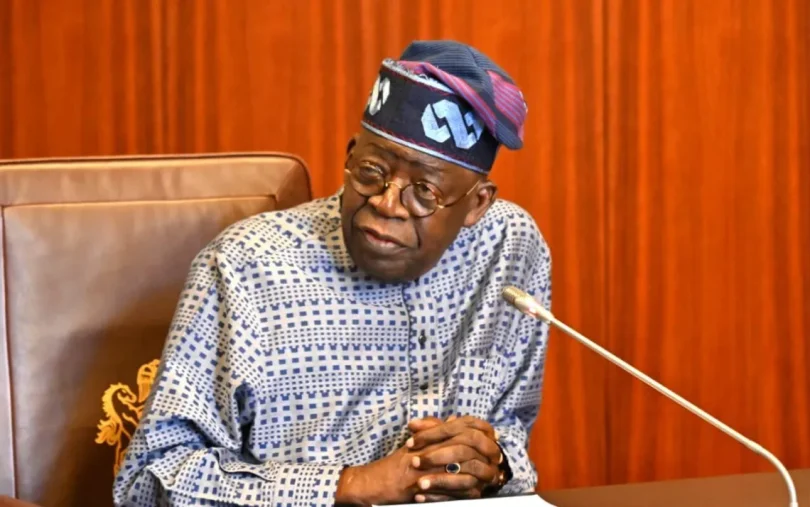
The Minister of Finance and Coordinating Minister of the Economy, Taiwo Oyedele, has defended the rising debt profile of the government, stating that Nigeria has a good repayment record.
Speaking on Tuesday in Abuja at the Fellowship Award Ceremony and 2nd Biennial Conference of the Capital Market Academics of Nigeria, Oyedele criticized analysts and commentators for attacking government borrowing without analyzing its purpose, cost, and expected returns.
He said, “When analysts go on TV and join the populist view to accuse the government of borrowing, you are doing a disservice. The relevant question is never simply how much debt. It is always debt for what and what cost, against what return, and repaid on what terms?”
POLITICS NIGERIA reports that the country’s total public debt has grown significantly under President Bola Tinubu, rising from about ₦87 trillion when he took office in May 2023 to roughly ₦160 trillion by early 2026.
This can be ascribed to fresh domestic and external borrowings, the depreciation of the naira, and the financing of budget deficits.
Despite the rising numbers, the minister maintained that public concern over borrowing is rooted in historical trauma rather than sound finance principles. He argued that debt should be viewed as a productive financial instrument rather than a moral failing.
Oyedele noted that refusal to utilize credit to finance growth-generating national assets represents an economic conservatism that quietly forfeits national development. To improve investor confidence and remove economic bottlenecks, the minister proposed the creation of a national risk market and a dedicated commercial dispute resolution tribunal to handle business conflicts efficiently.
Oyedele also took issue with global financial markets, lamenting that African nations face a prejudice premium that forces them to pay double-digit coupons on Eurobonds despite demonstrating consistent creditworthiness. He challenged domestic capital market stakeholders to push past current constraints and aim to build a $1 trillion capital market within the next decade.
“We have never defaulted. So the sovereign spread between how much Nigeria pays and how much the US pays is just the default risk, and we have never defaulted. And we are paying so much spread,” Oyedele stated.