
1 / 6
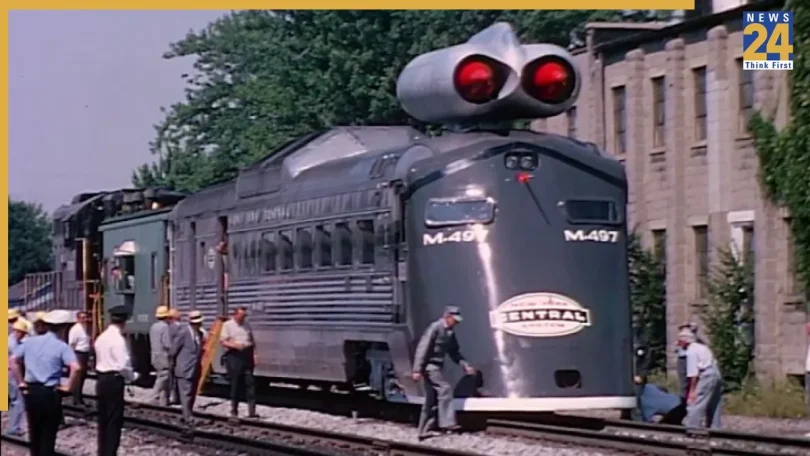
During the Cold War, the Soviet Union experimented with a unique idea, a train powered by jet engines. Known as the Speed Wagon Laboratory or ‘jet train,’ the goal was to push railway speeds beyond traditional limits. While it achieved impressive speed, the project ultimately failed.
What was the jet train experiment?

In the 1970s, Soviet engineers fitted a train with two jet engines taken from a Yak-40 aircraft. Instead of relying on wheels and conventional engines, the idea was to use jet propulsion to significantly increase speed. The train managed to run at speeds of over 250 km/h.
Biggest problem-fuel consumption

3 / 6
One of the major challenges was extremely high fuel usage. Jet engines consume far more fuel than regular diesel or electric train engines. This made operations very expensive and ticket prices would have been as high as air travel, making it impractical for passengers.
Noise and safety concerns

4 / 6
Jet engines are extremely loud and this train was no exception. The noise levels were so high that it couldn’t operate near cities or populated areas. Additionally, the strong exhaust force from the engines could damage railway tracks and nearby structures, raising serious safety concerns.
Railway tracks were not ready

5 / 6
At the time, railway infrastructure was not designed for such high speeds. Running a jet-powered train on standard tracks increased the risk of instability and derailment. Without major upgrades, it was not possible to use this technology safely.
Bullet trains became the better choice

6 / 6
While the Soviet Union was experimenting with jet trains, countries like Japan were developing electric high-speed trains. These were more efficient, safer and cost-effective. As a result, bullet trains became the preferred solution for high-speed rail worldwide.