
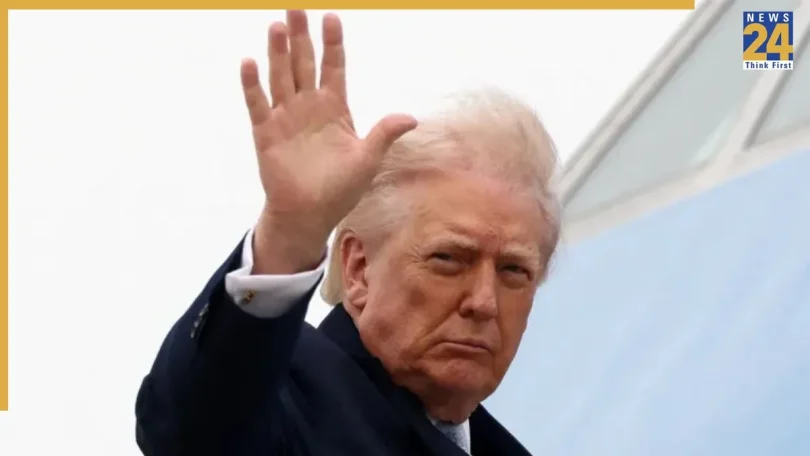
Tensions between Washington and Tehran remain high as US President Donald Trump has reportedly given Iran a narrow window of a few days to present a clear proposal for negotiations. The move signals growing impatience within the US administration, even as a temporary ceasefire continues.
Limited time for Iran to respond
According to officials familiar with the developments, the US has indicated that the current pause in hostilities is not meant to last indefinitely. Iran has been given roughly three to five days to bring forward a unified stance for talks.
The brief extension of the ceasefire is being seen as a calculated step to push Tehran into aligning its internal leadership and presenting a structured negotiation plan. Washington is expected to reassess its strategy once this short window closes, depending on how Iran responds.
Ceasefire extended amid diplomatic push
The decision to extend the truce came just hours before it was due to expire. Trump announced that the pause in conflict would continue temporarily to allow more time for diplomacy, but made it clear that patience is limited.
Read More: Rs 46888250000: US President Donald Trump claims Iran ‘wants’ Strait of Hormuz open for this big reason, know what
In his public remarks, he emphasised that the extension is conditional and tied to Iran’s ability to come forward with a concrete proposal. At the same time, the US military has been instructed to maintain pressure by continuing a naval blockade around Iranian ports.
Pakistan’s role in the pause
Trump stated that the decision was influenced in part by requests from Asim Munir and Shehbaz Sharif. Both leaders reportedly urged Washington to allow more time for diplomatic efforts.
Read More: Why is Iran’s Supreme Leader missing in action? Govt hiding Mojtaba Khamenei to prevent political crisis amid war with US? Know what is happening
He also pointed to divisions within Iran’s leadership, suggesting that internal disagreements may be delaying a unified response from Tehran.
Uncertainty over next steps
Despite the temporary relief provided by the ceasefire, the situation remains fragile. Both sides have expressed concerns about how the truce is being implemented and there is no guarantee it will hold if progress is not made quickly.
Adding to the uncertainty, the White House confirmed that Vice President JD Vance will not travel to Pakistan for the expected next round of talks. Officials said any future in-person meetings would be announced later.
Read More: Bad news for Nepal PM just days into office, massive protests erupt in Nepal over student union ban, what exactly happened?