
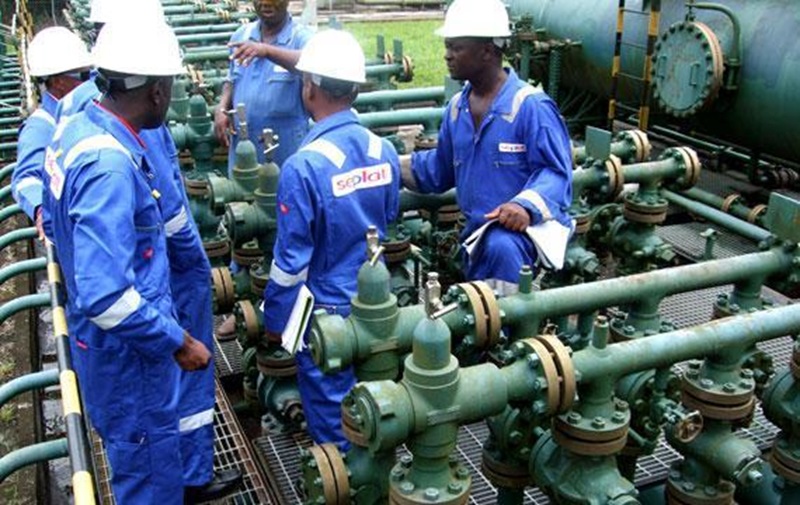
Workers of Seplat Energy Plc, under the aegis of the Petroleum and Natural Gas Senior Staff Association of Nigeria (PENGASSAN), began an indefinite strike on Friday as talks over a collective bargaining agreement and staff welfare issues broke down.
This development may impact Nigeria’s oil production at a time when the world is facing shortages due to the Iran war, and global oil prices are recording multi-year highs.
It will also hurt Seplat Energy’s operation as Nigeria’s largest independent oil and gas producer, adding to pressure on the country to maximise supply, which is fluctuating around 1.3 million barrels per day.
PENGASSAN said its action would remain active “until further notice, adding that its members would suspend most operations, including production reporting and export activities, while maintaining only essential safety and power functions.
The strike notice covers onshore and offshore assets, joint‑venture operations and offices nationwide from Friday.
Other less-skilled workers are covered by the Nigeria Labour Congress (NLC), which is not on strike with PENGASSAN.
Seplat Energy’s group production averaged 131,506 barrels of oil equivalent per day in 2025, according to its latest audited results. That is the equivalent of around 7 per cent–9 per cent of Nigeria’s total liquids production.
The company expects output to rise to 155,000 barrels of oil equivalent per day, making any sustained disruption particularly sensitive for Nigeria’s supply outlook.
With the company’s output expected to rise, any prolonged disruption could significantly impact Nigeria’s oil supply and fiscal outlook.
The company also plans to revive hundreds of Nigerian oil wells lying fallow, which, according to its chief executive, Mr Roger Brown, will be done in collaboration with the state-owned Nigerian National Petroleum Company (NNPC) Limited, as legally mandated in the country’s oil and gas industry.