
Nigeria’s total public debt rose to ₦159.27 trillion at the end of 2025, reflecting a sharp year-on-year increase driven by both domestic borrowing and external obligations, according to the Debt Management Office (DMO).
The figure marks an increase of ₦5.98 trillion from ₦153.29 trillion recorded in the third quarter of 2025, and a rise of ₦14.6 trillion compared to ₦144.67 trillion in the corresponding period of 2024.
In a statement released on Wednesday, the DMO said the total debt stock comprises obligations of the Federal Government, state governments, and the Federal Capital Territory (FCT), covering both domestic and external debts.
The office disclosed that total domestic debt stood at ₦84.84 trillion (about $59.11 billion), while external debt reached ₦74.42 trillion (approximately $51.85 billion).
It added that domestic borrowing increased significantly from ₦74.38 trillion in December 2024, representing a rise of ₦10.47 trillion or 14.1 per cent within the period under review.
External debt also rose from ₦70.29 trillion in December 2024, reflecting an increase of ₦4.14 trillion.
Breaking down the figures, the DMO said the Federal Government accounted for ₦80.48 trillion of domestic debt, while states and the FCT jointly owed ₦4.36 trillion.
For external obligations, the Federal Government accounted for ₦66.26 trillion, while states and the FCT held ₦8.15 trillion.
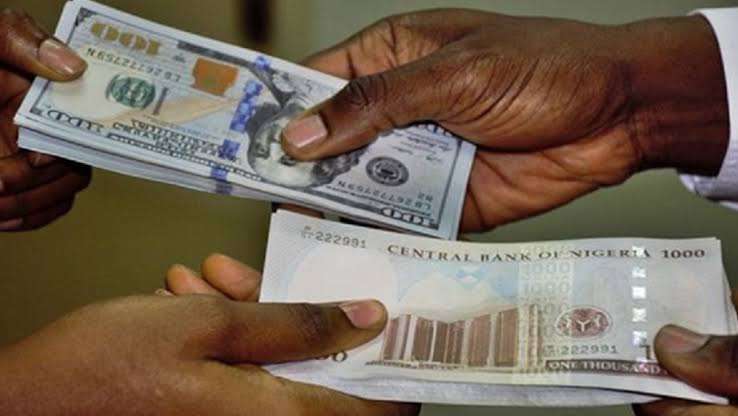
The agency explained that the conversion of foreign loans to naira was based on the Central Bank of Nigeria’s official exchange rate of ₦1,435.25 to $1 as of December 31, 2025.
Meanwhile, President Bola Tinubu had earlier requested national assembly approval for external borrowing worth $6 billion, including a structured financing arrangement of up to $5 billion from First Abu Dhabi Bank of the United Arab Emirates, as part of broader economic funding plans.