
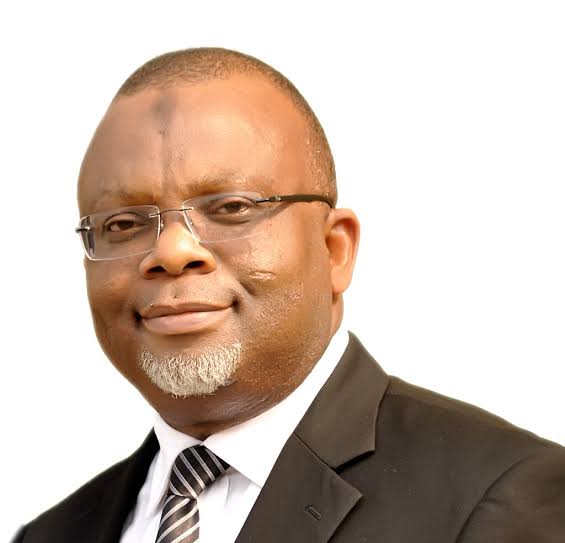
As Nigeria grapples with insecurity, economic strain and a fragmented political space, the Amir and National Head of the Ahmadiyya Muslim Jama’at of Nigeria, Barrister Alatoye Abdulazeez, has called for a reset anchored on unity, moral values and purposeful leadership, stressing that young Nigerians must play a decisive role in shaping the country’s future.
In this interview, Abdulazeez underscores the Ahmadiyya motto, “Love for All, Hatred for None,” as a framework for national cohesion, while condemning terrorism and urging value-based education as a long-term solution to Nigeria’s challenges. He also charges youths to rise above ethnic and religious divides, reject inducement and organise politically, identifying Adewole Adebayo as a potential rallying figure if supported across divides.
Offering a measured view of the administration of President Bola Ahmed Tinubu, the cleric maintains that Nigeria’s progress ultimately depends on both leadership and citizen action, insisting that national transformation will require collective responsibility, accountability and a shared commitment to rebuilding the country.
What does the Ahmadiyya Muslim Jama’at and its motto ‘Love for All, Hatred for None’ represent?
The Ahmadiyya Muslim Jama’at’s motto, “Love for All, Hatred for None,” reflects its core belief that true worship of Allah goes beyond prayers to include service to humanity and peaceful coexistence. In Islam, acts such as providing care, promoting peace and supporting those in need are all forms of worship when done sincerely for the sake of God.
The second pillar of this belief is love for one’s neighbour. The Ahmadiyya community’s investments in schools, hospitals and social services are open to all, regardless of religion or background, reinforcing the principle that humanity comes before division.
According to the Jama’at, many religious conflicts stem from misunderstanding. Genuine faith, it stresses, should inspire compassion, not hostility. By choosing good over evil and serving others selflessly, individuals not only strengthen society but also fulfil their duty to God, who rewards righteousness and condemns wrongdoing.
Are you saying Islam is a religion of peace?
Yes. The Ahmadiyya Muslim community believes Islam is fundamentally a religion of peace, built on knowledge, love and respect for all of God’s creation. While Islam recognises the right to self-defence—as do other religions—its core message is peaceful coexistence. The guiding principle, “Love for All, Hatred for None,” reflects this, emphasising that no one has the right to hate or harm others unjustly. Islam, at its heart, promotes peace with God and with humanity.
If Islam means peace, why do groups like Boko Haram kill in its name?
Terrorism has nothing to do with Islam. Those involved are driven by ignorance and manipulation, not faith. The teachings of Islam are clear: taking a life unjustly is like destroying all of humanity, and no place of worship should be attacked. The five pillars of Islam—faith, prayer, charity, fasting and pilgrimage—contain no justification for violence.
According to the Ahmadiyya view, many extremist groups are motivated by political or economic interests but disguise their actions with religion. Such acts contradict Islamic teachings. The message to them is simple: abandon violence, as true faith does not permit the killing of innocent people.
What is the way out of these insecurity challenges?
Government at all levels must prioritise national orientation and value-based education. Subjects like history and moral instruction should return to schools, while leaders must focus on service, not personal gain. Religious and community leaders also have a duty to promote godliness, discipline and respect for shared values. Beyond policy, society must rebuild a culture of integrity—at home, in schools and in public life.
Young people, in particular, must reject fraud and violence, embrace hard work, and commit to nation-building. They have a critical role in changing Nigeria’s trajectory by choosing constructive engagement over destructive actions.
Do youths have a role in solving insecurity?
Absolutely. Youths must organise, take responsibility and unite behind credible leadership. Rather than fragmented efforts, they should build consensus, reject inducement and vote strategically. Figures like Adewole Adebayo can serve as rallying points if young Nigerians act collectively, rise above ethnic divisions and commit to a shared national vision. Only then can Nigeria move from division to true nationhood and progress.
Do you encourage your members to participate in politics?
Yes. Participation is essential—those who stay out cannot complain. But it must be for service, not personal enrichment.
What is your assessment of the current administration over the past three years?
President Tinubu has taken some bold steps, and the scale of Nigeria’s challenges means no leader would find it easy. We believe in supporting leaders through constructive feedback and prayer, not hostility. The fuel subsidy removal has freed resources, but attention must now shift to how those funds are used, especially in critical areas like power. Without stable electricity, economic progress will remain limited.
What is your advice to Nigerians?
Nigerians must rise above ethnic, religious and social divisions and see themselves as one people. Politicians often exploit these differences, but unity is key to progress. Citizens should reject manipulation, vote wisely and embrace mutual respect. Only through genuine unity and collective responsibility can the country move forward.