
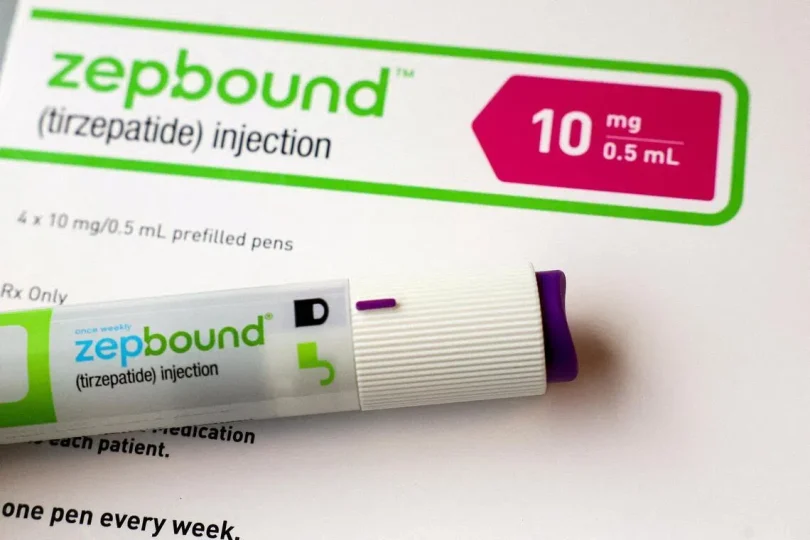
WASHINGTON – Potential signs of frailty in older adults taking pharmaceutical company Eli Lilly’s GLP-1 obesity drug Zepbound may signal relatively high risks for adverse outcomes, according to a large study that underscores concerns about how best to monitor seniors as US Medicare expands access to GLP-1 therapies.
In general, frailty-associated conditions such as malnutrition, dehydration and loss of muscle mass and strength developed only rarely and the results should not discourage appropriate use of Zepbound, known chemically as tirzepatide, or Novo Nordisk’s GLP-1 drug Wegovy, also known as semaglutide, in older adults, the study’s researchers said. Instead, they encouraged closer follow-up of older patients taking the medicines.
Zepbound and Wegovy have both been shown to benefit many patients through significant weight reduction, better blood sugar control, and improvements in obesity-related heart failure and obstructive sleep apnoea.
The new study from US data analytics firm nference focused on Zepbound because previous analyses linked tirzepatide with more weight and muscle loss than semaglutide, said Venky Soundararajan, senior author of the report that was released on July 13 as a preprint and has been submitted for peer review.
nference research is funded by health systems, institutional investors, and venture capital firms, and the firm does not receive financing from drugmakers.
Soundararajan’s team compared three cohorts: Nearly 30,000 US adults age 65 and older treated with Zepbound for obesity, nearly 19,000 receiving non-GLP-1 drugs for type 2 diabetes, and nearly 6,000 who had undergone weight-loss surgery.
Health records showed that overall, progressive declines in muscle mass and function developed in 0.16 per cent of all patients included in the analysis, malnutrition in 1.6 per cent, dehydration in 3 per cent, and loss of appetite in 4.75 per cent. Each of these issues was more likely with increasing age, multiple health problems, and increasing weight loss, particularly with loss of more than 20 per cent of body weight.
Among people diagnosed with these conditions, however, the degree of associated risks was significantly higher in those taking tirzepatide, the study showed.
Regardless of how much weight they lost, tirzepatide users who developed malnutrition had a roughly 25-fold higher risk of related death during 18 months of follow-up compared with tirzepatide users who did not develop malnutrition, the researchers calculated. By comparison, development of malnutrition increased the risk of death by about seven-fold for users of other diabetes treatments and about two-fold for those who had weight-loss surgery, compared to patients in those groups who did not develop malnutrition.
In patients who developed dehydration compared to those who did not, the risk of death was about six-fold higher among tirzepatide users, four-fold higher among users of other antidiabetic drugs, and 2.5-fold higher with bariatric surgery. Muscle wasting increased the risk of death roughly 12-fold in tirzepatide users, six-fold in antidiabetic drug users, and two-fold after bariatric surgery.
Risks of related hospitalisations and ICU admissions followed similar patterns, with the highest odds in affected patients taking tirzepatide.
Frailty conditions in the tirzepatide group typically emerged after six months of treatment, suggesting that ongoing monitoring is important, the nference researchers said.
Eli Lilly did not immediately respond to a request for comment.
The study findings do not show tirzepatide caused adverse outcomes, Soundararajan stressed.
Instead, he said, the appearance of frailty-related problems may identify older patients whose health is deteriorating because of underlying illness, declining physiologic reserve or inadequate nutritional intake during substantial weight loss.
To physicians caring for older patients on tirzepatide, Soundararajan said, “The first time you see a signal of frailty, intervene aggressively. Take them off tirzepatide and start to monitor them more aggressively.”
More than 41 per cent of US adults aged 60 and older are obese, according to the Centres for Disease Control and Prevention. As of July 1, GLP-1 drugs for obesity became available to eligible Medicare Part D beneficiaries for a monthly copay of US$50 (S$65), with estimates that approximately 3 to 4 million older adults may qualify.
The reduction in lean body mass that accompanies GLP-1-induced weight loss may matter more in older patients because many start with low muscle reserve, said UCLA endocrinologist Preethi Srikanthan, who was not involved in the research.
Whether tirzepatide-associated weight loss leads to clinically important frailty in vulnerable older adults needs to be verified with prospective data and gold-standard frailty assessment methods, she said, adding there is also a need to study whether resistance exercise and protein supplementation would prevent functional decline.
Clinicians should be aware of frailty conditions and know how to monitor for them but should not be alarmed or avoid this effective treatment that shows promise, she added. REUTERS