
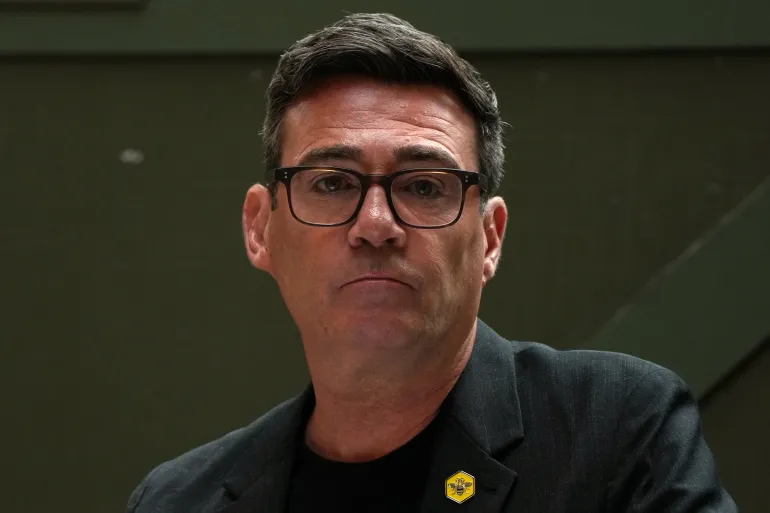
Reform UK pulls out of BBC documentary amid dispute over edited Trump speechA few days ago, Andy Burnham was elected as the new leader of the UK Labour Party. Within the next 48 hours, he is expected to replace Sir Keir Starmer as Prime Minister.
But one important question remains: has Burnham faced enough scrutiny? His rise to the Labour leadership was unusually smooth. He was elected unopposed, avoiding the long leadership contest, public debates and detailed questioning that would normally test a candidate’s policies and ability to govern.
So far, Burnham has presented an ambitious programme.
He has promised major investment in council housing and public services. At the same time, he says working people will be protected from increases in income tax, National Insurance and value-added tax.
Read related news:
Burnham rejects claims he sought to undermine Starmer over by-election bid
Andy Burnham wins Makerfield by-election as Labour race intensifies
IMF warns Andy Burnham against reckless public spending
These promises may sound attractive, but they raise a difficult question: where will the money come from?
Britain’s public finances are already under pressure. The NHS is struggling with long waiting lists, councils are facing funding shortages, and many families continue to deal with high living costs.
Burnham will also inherit the major political challenges that weakened previous prime ministers, including Keir Starmer, Rishi Sunak, Theresa May, Liz Truss and David Cameron.
Immigration remains one of the country’s most divisive issues. The NHS needs urgent reform and investment. Britain is still dealing with the economic and political consequences of Brexit.
There is also the rapid rise of Reform UK, a right-wing populist party that is attracting voters who have lost confidence in both Labour and the Conservatives.
Burnham may have won the Labour leadership without a contest, but governing the country will be far more difficult.
His supporters believe he can bring a new direction, rebuild trust and deliver better public services. His critics will question whether his promises are affordable and whether he has a clear plan to deal with immigration, economic growth and public spending.
The real test will not be his speeches or campaign promises. It will be whether he can turn those promises into results without raising major taxes or pushing Britain deeper into debt.
Andy Burnham is preparing to enter Downing Street. The question is: can he deliver the change he has promised, or will he face the same pressures that defeated the leaders before him?