
Business
SOME fruit traders in Lagos have improvised ways to keep fruits fresh and reduce losses in spite of inadequate storage facilities and erratic electricity supply.
The traders made this known in separate interviews with the News Agency of Nigeria (NAN) on Tuesday in Lagos while sharing how they cope with post-harvest losses that continue to affect their businesses.
NAN reports that fruits such as oranges, pineapples, bananas, watermelons, pawpaw and apples are highly perishable and require proper storage to retain their freshness and quality.
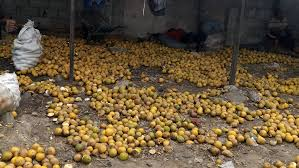
However, prolonged exposure to heat, inadequate cold-chain facilities and erratic electricity supply have continued to accelerate spoilage, resulting in financial losses for traders.
Mrs Mujidat Giwa, a fruit trader at Oyingbo Market, said the high cost of operating cold storage facilities had forced many traders to sell ripening fruits at reduced prices.
“When fruits begin to ripen too fast, we reduce the prices so that customers can buy them before they spoil.
“If we keep them for too long, we lose money because we eventually throw many of them away.
“We would like to preserve them for longer periods, but the cost of storage is beyond what many of us can afford,” she said.
Also, Mr Garuba Hassan, another trader at Oyingbo Market, said he occasionally rented space in commercial cold rooms whenever electricity supply improved.
According to him, rising diesel and electricity costs have made cold storage unaffordable for many traders.
“Most times, we simply rely on selling quickly because paying for storage reduces our profit,” Hassan said.
At Lawanson Market, Mr Isa Mohammed said covering fruits with wet sacks and sprinkling water on them helped to preserve freshness temporarily.
He, however, said the method became less effective during prolonged periods of intense heat.
“We keep the fruits away from direct sunlight and sprinkle water from time to time.
“It helps for a while, but once the weather becomes very hot, there is little we can do,” he said.
Similarly, a pineapple trader in Surulere, Mr Musa Ibrahim, said sorting fruits according to their stage of ripeness had become an effective way of reducing waste.
“The fruits that are already ripe are sold at cheaper prices, so they do not spoil, while the fresher ones are kept for later sales.
“If customers buy the ripe ones quickly, we are able to reduce waste,” he said.
Some consumers also said they had adjusted their buying habits.
Mr Ganiyu Rasheed said he preferred buying fruits early in the day because they were usually fresher and lasted longer at home.
“I usually shop in the morning because the fruits are fresher and have not been exposed to excessive heat,” he said.
Mrs Amarachi Arinze said discounted fruits had helped many households cope with rising food costs, provided they remained safe for consumption.
“I don’t mind buying fruits sold at reduced prices once they are still fresh enough to eat.
“It helps me save money and also prevents the fruits from going to waste,” she said.
The traders, however, called for improved cold-chain facilities, reliable electricity supply and affordable storage infrastructure to reduce post-harvest losses and improve the profitability of fruit trading. (NAN)
A.I
June 30, 2026
Tags: Mr Isa Mohammed Mr Musa Ibrahim Mrs Mujidat Giwa