
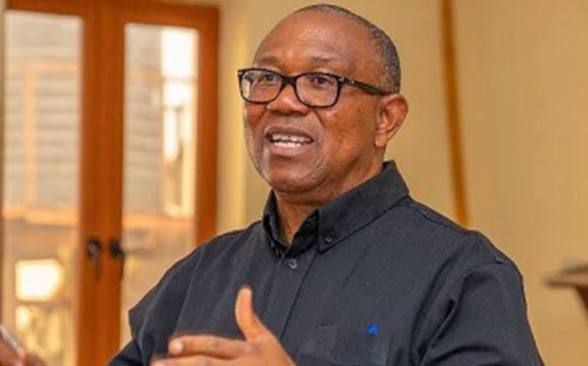
The 2027 political tension in Nigeria has taken a new turn as former presidential candidate, Peter Obi, has reportedly accused the Chairman of the Independent National Electoral Commission of acting out what he described as a “script” allegedly designed to favour President Bola Tinubu’s political interests.
According to reports circulating in political circles, Obi made the remarks while reacting to growing concerns over electoral transparency ahead of the 2027 general elections. He alleged that recent actions and public statements from the electoral commission’s leadership raise questions about neutrality and independence in the country’s democratic process.
Obi further claimed that Nigerians deserve a credible and unbiased electoral umpire, insisting that any perception of compromise could undermine public trust and the legitimacy of future elections. His comments have already sparked widespread debate across social and political platforms, with supporters and critics weighing in on the implications of such allegations.
In the same political discussion, Obi also reaffirmed his earlier stance on governance, pledging to serve only one term in office if elected president in 2027. He maintained that leadership should be about impact rather than tenure, emphasizing the need for focused governance, accountability, and national rebuilding within a limited timeframe.
The pledge has continued to generate mixed reactions, with some viewing it as a bold commitment to reform, while others question its practicality in Nigeria’s complex political environment.
Meanwhile, the presidency under Bola Tinubu has not officially responded to the latest allegations as of the time of reporting. However, political observers believe the remarks could further intensify the already heated build-up to the 2027 elections.
SEE MORE DETAILS ON THAT…
Analysts note that issues surrounding electoral credibility, political trust, and reform commitments are likely to dominate national discourse as parties begin early positioning for the next general elections.
As the situation develops, Nigerians continue to watch closely, with expectations high for clearer policy direction, stronger democratic institutions, and a more transparent electoral process ahead of 2027.