
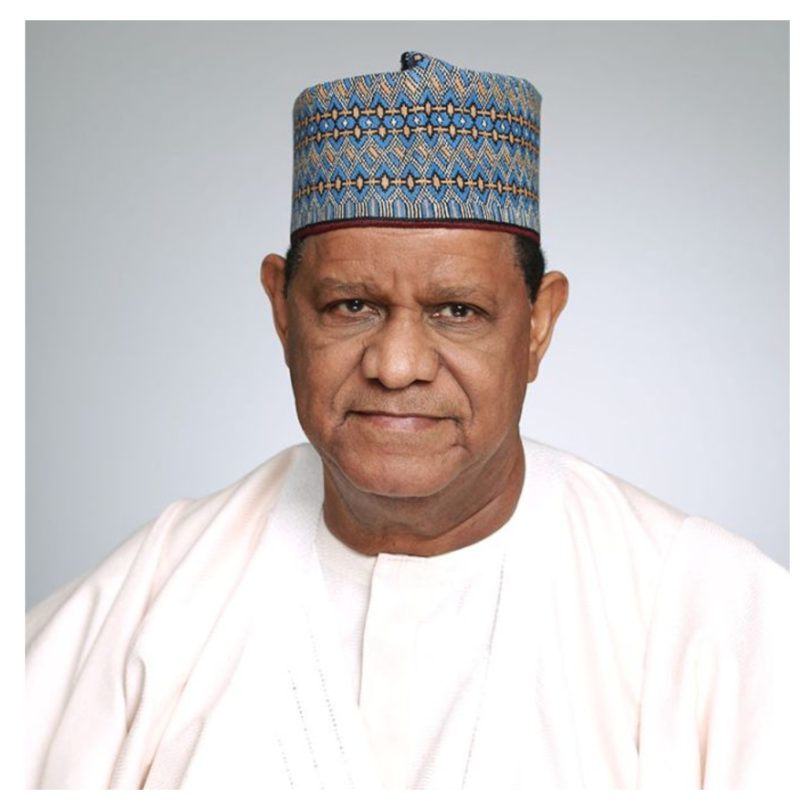
Presidential aspirant on the platform of the African Democratic Congress, ADC, Mohammed Hayatu-Deen, has stated that he will not withdraw from the race for any other contender ahead of the party’s 2027 presidential primaries.
He stressed that Nigeria is in urgent need of “competent and visionary leadership” capable of reversing nearly two decades of economic decline, worsening insecurity, and deepening hardship across the country.
Responding to questions about his chances against prominent figures such as former Vice President Atiku Abubakar and former Minister Rotimi Amaechi, Hayatu-Deen maintained that every eligible Nigerian has a constitutional right to seek elective office.
“This is a very serious undertaking, and we are at a defining moment in our country’s history,” he said.
He blamed Nigeria’s persistent challenges, including inflation, high unemployment, insecurity, and the deteriorating state of education and healthcare, on what he described as weak leadership since 2007.
He contrasted this with countries such as Rwanda and Ghana, which, according to him, have been able to recover from periods of crisis through disciplined governance.
“I believe I have the experience, ideas, and practical capacity to help turn this country around,” he said, adding that his focus is to promote prosperity and improve welfare for all Nigerians regardless of region, ethnicity, or religion.
On the possibility of remaining in the party should he fail to secure the ADC presidential ticket, Hayatu-Deen emphasized loyalty and political principle.
“I have built a reputation and credibility over many years. Whoever emerges as the candidate will have my full support. I will stand behind that person and work with the party to ensure victory at the polls,” he said.
He further spoke on the party’s chances in 2027, noting that the ADC places party supremacy above individual ambition. He also encouraged opposition parties to consider cooperation where necessary in order to present credible alternatives, while still holding leaders accountable to the electorate.
“Democracy is about offering people choices. Politicians are elected to serve citizens, not themselves. Widespread poverty and low political awareness have weakened citizens’ ability to hold leaders accountable. That must change,” he added.