
ASPEN, Colorado – The US wants Vietnam to take more action on non-tariff barriers, economic security cooperation and intellectual property as the two sides continue to wrangle over a trade deal after months of negotiations, according to the US Trade Representative.
“If we’re going to be shipping them some of our high-tech equipment, they need to align with us on export controls and other things,” Jamieson Greer said in a Bloomberg TV interview on July 16 on the sidelines of the Aspen Security Forum.
“We want other countries to take down tariffs, non-tariff barriers where they restrict US exports of goods and services, also things like economic security,” Greer said.
As for IP standards “the rules that our companies abide by, we want them to do so as well.”
Vietnamese officials are in Washington this week for another round of negotiations, with the nation seeking to lock in a deal amid three simultaneous US investigations targeting the nation’s trade practices.
More broadly, the Trump administration is seeking to narrow its US$178 billion (S$229.45 billion) trade deficit with Vietnam while pressing Hanoi to tighten controls on Chinese goods routed through the country.
“There’s a pure illegal shipment where they send it to Vietnam and put on a Made-in-Vietnam sticker,” Greer said, repeating an often-used accusation by Washington.
Hanoi said in June that it’s cracking down on such fraud.
The South-east Asian nation became the first country in 13 years to be labelled a “priority foreign country,” the most serious designation under the US Trade Act, in an April report on intellectual property violations.
It’s also facing a probe into alleged excess manufacturing and was one of 60 nations identified as failing to take action on imports produced with forced labour.
Vietnam has sought to calm concerns by shutting down piracy websites and stepping up raids on counterfeit goods sellers.
Despite this, fake designer handbags and clothing remain on sale in the nation’s markets and illegal streaming services are readily available.
Hanoi has also defended its record on tackling forced labour and rejected the US findings that recommend a 12.5 per cent import tariff.
Trade talks between the two nations stalled over US demands for stricter rules of origin and stronger measures to prevent Chinese goods being rerouted through Vietnam, alongside broader disagreements over market access and non-tariff barriers.
President Donald Trump threatened a 40 per cent tariff on goods deemed to be transshipped but the definition has not been determined.
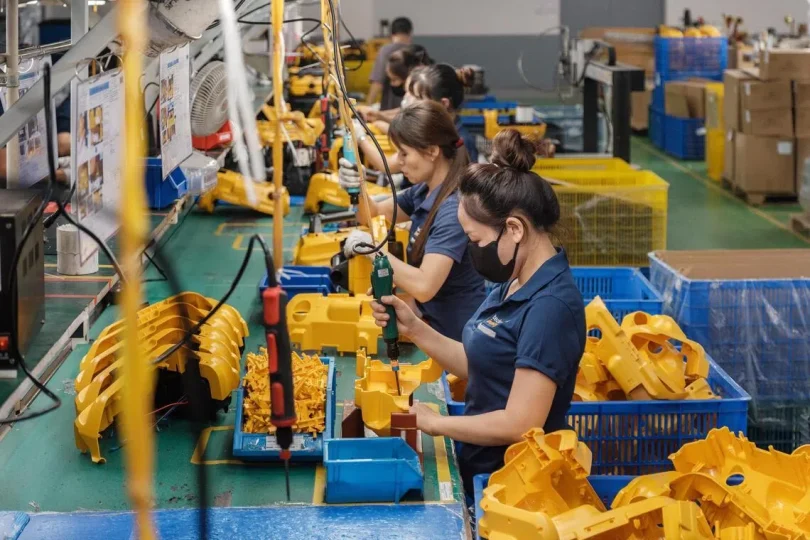
In recent years, Vietnam has become a key manufacturing hub for some of the biggest US brands.
Nike produces more than half of its shoes in Vietnam, while Apple plans to develop new product categories in the country, including a range of home devices. BLOOMBERG