
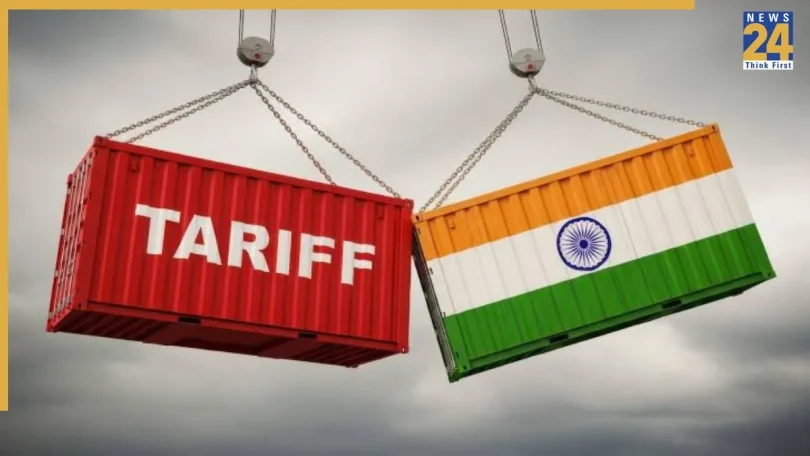
US India relations have come under fresh strain after a bipartisan group of US senators introduced the Sanctioning Russia Act of 2026. The bill proposes tariffs of up to 100 per cent on countries that continue importing large volumes of Russian crude oil. India has emerged as one of the five countries targeted under the proposal, along with China, Slovakia, Hungary and Azerbaijan. The move has sparked criticism in New Delhi, particularly because several European countries and allies such as Japan have been exempted under the proposed framework.
What does the new US Senate bill propose?
The proposed legislation aims to reduce Russia’s oil revenues, which US lawmakers say help finance Moscow’s war in Ukraine. The revised bill replaces an earlier proposal that sought tariffs of up to 500 per cent on countries buying Russian energy. Instead, it caps the penalty at 100 per cent and limits its scope to the five largest buyers of Russian crude. The bill has bipartisan backing in the US Senate. It is intended to allow Congress to impose tariffs on countries that continue supporting Russia’s energy exports.

Why are European countries exempt?
One of the most debated provisions of the bill is the exemption granted to several US allies. Countries importing less than 15 per cent of Russia’s total natural gas exports, and taking steps to reduce their dependence on Russian energy, would not face the proposed tariffs. According to Senate officials, this exemption effectively covers around 15 European countries as well as Japan. Indian officials have criticised the provision. They argue that countries still importing Russian energy are being treated differently from India.
Also Read: Crorepati by investing just Rs 2,000 a month? Know how long it will take and when to start
How could bill impact India?
If the bill becomes law and the proposed tariffs are enforced, it could significantly affect India US trade relations. Higher tariffs could make Indian exports to the US more expensive. This could reduce their competitiveness in the American market. The proposal could also complicate ongoing trade negotiations between the two countries. India currently imports more than 88 per cent of its crude oil requirements. Russian crude has become an important source of discounted supplies since 2022. Any pressure to reduce these imports could increase India’s energy costs. It could also have implications for inflation and fuel prices.

India calls proposal ‘double standard’
Indian officials have strongly criticised the proposed legislation. They have called it a case of “double standards” because European countries have been excluded from the tariff provisions despite continuing to import Russian energy. The issue has also triggered political debate in India. The opposition has sought clarity from the government on how it plans to respond if the legislation moves forward.
Will the bill become law?
The proposal still faces several legislative hurdles before it can become law. Although it has bipartisan support from multiple senators, it must pass both chambers of Congress before reaching the US President. The bill also includes a presidential waiver. It would allow the White House to suspend tariffs on individual countries if imposing them is considered harmful to US national security or the global economy. Analysts believe this provision gives the administration flexibility. It could be used if strict enforcement risks disrupting global oil markets or pushing crude prices sharply higher.
Also read: 50% cars to be discontinued, 50,000 jobs at risk! Amid global energy crisis international auto major sets for major move
First published on: Jul 16, 2026 10:31 AM IST
Get Breaking News First and Latest Updates from India and around the world on News24. Follow News24 on Facebook, Twitter.
End of Article
About the Author

Mamta Singh
Mamta Singh is a senior journalist with over 17 years of experience in the media industry, specializing in business and financial journalism. She holds a Master’s degree in Broadcast Journalism and has built a distinguished career across print, digital, and broadcast media. Over the years, she has worked with leading media organizations. In addition to her journalism career, Mamta has also worked as a Radio Jockey. She is known for her insightful reporting, editorial expertise, and strong communication skills across multiple media platforms.
Read MoreRelated Story


