
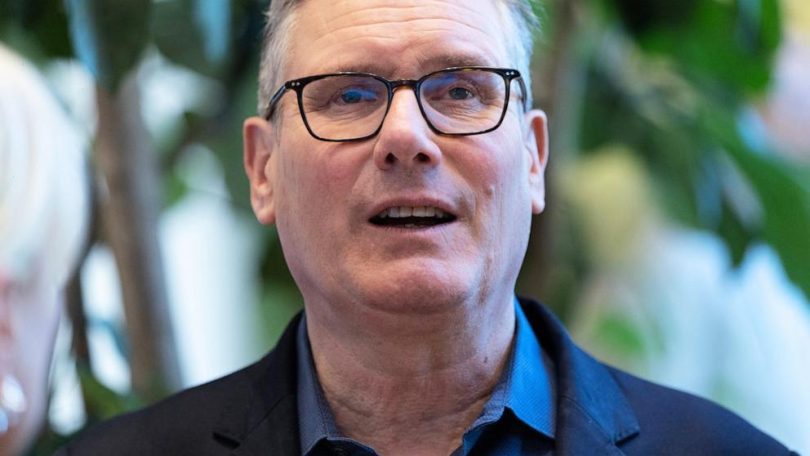
The United Kingdom’s (UK) caretaker Prime Minister, Keir Starmer, has issued a formal apology on behalf of the British state for its role in the forced separation of unmarried mothers from their babies, a practice that continued for decades and only ended in the 1970s.
Speaking in Parliament, Starmer described the policy as a deep and profound stain on the country’s history, acknowledging the pain and lasting trauma it caused to thousands of women and children affected by it.
Official records and campaign estimates suggest that around 185,000 babies born to unmarried mothers in England and Wales were adopted between 1949 and 1976.
Many of these adoptions, according to long-standing advocacy groups, were not always voluntary, with women reportedly pressured, misled or coerced into giving up their children.
Starmer said that many mothers were made to believe they had no real choice, as they were subjected to intense social stigma, institutional pressure and in some cases direct threats or manipulation.
He added that countless children grew up with the belief that they were unwanted, while mothers were left with lifelong grief and unanswered questions.
The apology comes after years of campaigning by survivors, support groups and researchers who have demanded official recognition of what happened.
Many of those affected have described being sent to maternity homes for unmarried pregnant women, where they were isolated from their families and communities before giving birth, only to have their babies taken away shortly after delivery.
Britain is among several countries now confronting similar historical practices, where unmarried mothers were often shamed and hidden away in institutions, reflecting the social norms and moral attitudes of the time. In many cases, adoption into married families was presented as the only acceptable outcome.
Campaigners have welcomed the apology but continue to call for further action, including greater access to adoption records, official support for affected families, and continued efforts to help reunite mothers and children separated during that era.
Starmer’s remarks are seen as part of a broader effort to acknowledge historical injustices and address the long-term consequences of past government and social policies that shaped the lives of vulnerable women and children.
The apology marks a significant moment of recognition, but for many affected families, it also renews calls for deeper healing, transparency and accountability from the state.