
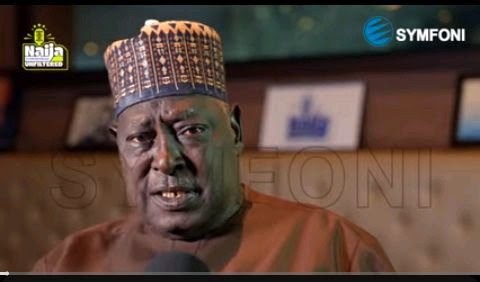

Former Secretary to the Government of the Federation (SGF), Babachir Lawal, has criticized political leadership in Northern Nigeria, saying none of the region’s governors can genuinely be described as patriotic.
“There is no governor in the north that you can point to and say he is patriotic,” Lawal said while assessing the performance of political office holders in the region.
According to the former SGF, many northern leaders have fallen short of expectations despite the numerous economic, security and developmental challenges facing their states.
He maintained that the region continues to grapple with widespread insecurity, poverty, unemployment and poor infrastructure, insisting that stronger and more selfless leadership is needed to reverse the situation.
Lawal argued that genuine patriotism should be reflected in policies and actions that prioritize the welfare of citizens over personal or political interests.
During the interview, he also discussed the broader political climate in Nigeria, offering a critical assessment of the administration of President Bola Ahmed Tinubu.
The former SGF described the federal government as having failed to meet the expectations of Nigerians, citing worsening economic hardship and persistent insecurity across the country.
Lawal further reflected on his relationship with Tinubu, noting that he had known the President for many years before he assumed office. While acknowledging Tinubu’s past generosity and willingness to help people in difficult situations, he claimed the President had changed since becoming Nigeria’s leader.
Beyond the presidency, Lawal weighed in on opposition politics and the prospects of key political figures ahead of the 2027 general election.
He shared his views on the leadership qualities of several politicians, including Peter Obi and former Rivers State Governor Rotimi Amaechi, while expressing concern over the direction of the country’s politics.
His comments come amid increasing public debate over governance at both the federal and state levels, particularly in Northern Nigeria, where insecurity, food inflation and developmental concerns remain major issues.
Lawal’s remarks are expected to generate reactions from political leaders across the region, especially governors who may dispute his sweeping assessment of their performance and commitment to public service.