
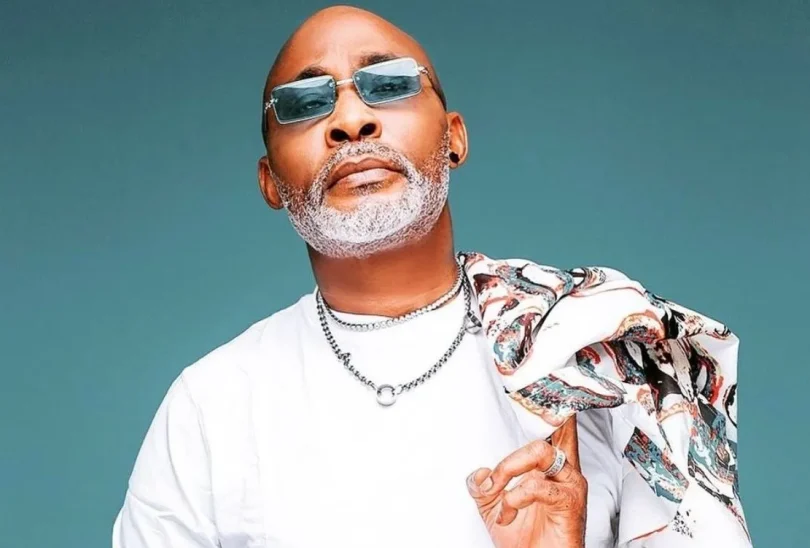
Veteran Nollywood actor Richard Mofe-Damijo “RMD” has thrown his weight behind the campaign against gender-based violence (GBV) in Nigeria, calling on men to take greater responsibility in protecting and respecting women.
The award-winning actor joined the advocacy after emerging as a key stakeholder in the Male Feminists Network, an initiative aimed at encouraging men to become active allies in promoting gender equality and ending violence against women and girls.
Speaking at an event in Abuja on Friday, the 65-year-old actor stressed that achieving meaningful progress in the fight against gender-based violence requires the active participation of men, rather than leaving the burden solely on women.
RMD also advocated for greater inclusion of women in leadership positions, particularly in government, arguing that women have consistently demonstrated competence, commitment and accountability when entrusted with responsibility.
Drawing from his experience in the film industry, the veteran actor revealed that he deliberately prioritised female inclusion while working on one of his movie projects.
“Personally, when I did a film two years ago, I had like 80 percent women in the crew,” he said.
“I always say to people in my profession, if you want to have anything done in government, put a woman in charge, and you can sleep with your eyes closed.”
The actor urged men to abandon harmful stereotypes and stop objectifying women, insisting that every woman deserves to be treated with dignity, respect and humanity.
According to him, women should be valued not because of their relationship to men but because they are human beings entitled to equal rights and opportunities.
“Just give respect to women and treat them like human beings,” RMD said.
“Or treat them the way you would treat your daughter or your wife, with respect, with dignity.”
He further condemned all forms of domestic violence and physical abuse, stressing that disagreements in relationships or families should never be resolved through violence.
“Don’t objectify them. Don’t perpetrate violence. Correcting them does not mean hitting and beating them. It is easier to talk to people these days than to just use your fist,” he added.
Addressing the broader issue of gender-based violence in Nigeria, RMD maintained that ending abuse against women requires collective action from individuals, communities, institutions and government agencies.
He noted that many of the challenges women face are rooted in systemic discrimination and harmful cultural practices, making it necessary for men to become advocates for change.
“There are institutionalised and systemic ways that women’s rights are trampled upon in Nigeria, and it is not something only women can fight,” he said.
“We also have to lend our voices to organisations working for women’s rights and against gender-based violence.”
RMD’s remarks come amid growing concerns over the increasing cases of domestic violence, sexual abuse and other forms of gender-based violence reported across Nigeria.
Advocates have continued to call for stronger enforcement of existing laws, greater public awareness and more support systems for survivors.
Also speaking at the event, public affairs analyst and gender advocate Dr. Otive Igbuzor emphasised the importance of involving influential members of society in the fight against gender-based violence.
According to him, traditional rulers, religious leaders and respected public figures can play a critical role in changing harmful social norms and promoting healthier attitudes towards women.
He noted that experience has shown that when influential voices speak against violence and discrimination, communities are more likely to embrace positive behavioural change.
The involvement of high-profile personalities such as RMD is expected to strengthen ongoing advocacy efforts aimed at reducing violence against women and promoting gender equality across Nigeria.
As conversations around women’s rights, gender equality, domestic violence prevention and GBV awareness continue to gain momentum, stakeholders have reiterated that lasting change can only be achieved through collective responsibility, education and sustained commitment from both men and women.
For more details, visit PrimeTimes at www.newdailyprime.news.