
The Kaduna State Executive Council has approved the procurement of 120,000 bags of fertiliser for distribution to smallholder farmers as part of efforts to boost agricultural production across the state.
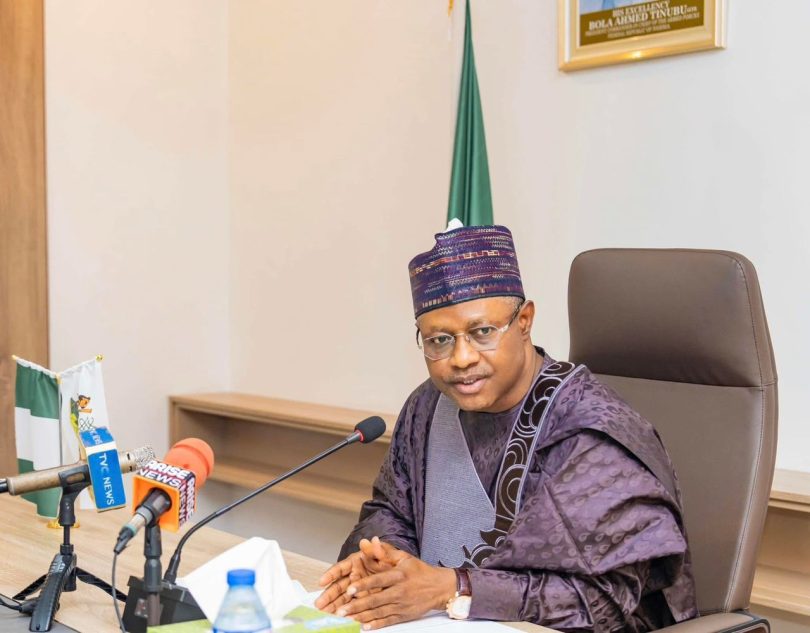
The approval was granted at the council’s meeting chaired by Governor Uba Sani on Tuesday.
Briefing journalists after the meeting, the Commissioner for Information and Culture, Ahmed Maiyaki, said the state government would procure 6,000 metric tonnes of fertiliser to support farmers ahead of the farming season.
He said the intervention builds on previous agricultural support programmes under the current administration, which distributed hundreds of truckloads of fertiliser to farmers in 2024 and 2025.
The council also approved the second phase of township road construction in Zaria and Sabon Gari local government areas.
Maiyaki said the project involves the construction of 11 roads aimed at improving transportation, easing the movement of people and goods, and stimulating economic activities within the Zaria metropolis.
According to him, six of the roads were awarded to Mothercat Nigeria Limited, including Babban Dodo–Durumi–Kofan Kuyanbana, Rimin Tsiwa–Kofan Gayan, Maje Road, Turunku Road in Sabon Gari, Waff Road and Layin Radio.
He added that CGC Nigeria Limited will execute the remaining five roads, including Aba Road, Tudun Wada, Turunku Road in Sabon Layi, Dadda’u Road, Sheikh Umar Muazu Street and Idris Majeh Street in Fillin Mallawa.
The Executive Council also approved the Kaduna State Life Skills Policy, designed to integrate life skills education into schools and equip learners with practical, entrepreneurial and socio-emotional skills needed for education, employment and everyday life.
Maiyaki said Kaduna has become the first state in Nigeria to adopt the policy.
In addition, the council approved the Kaduna State Policy on Gender in Education, which seeks to improve access to education, reduce gender-related barriers, increase school retention and completion rates, and promote inclusive learning for both boys and girls across the state.