
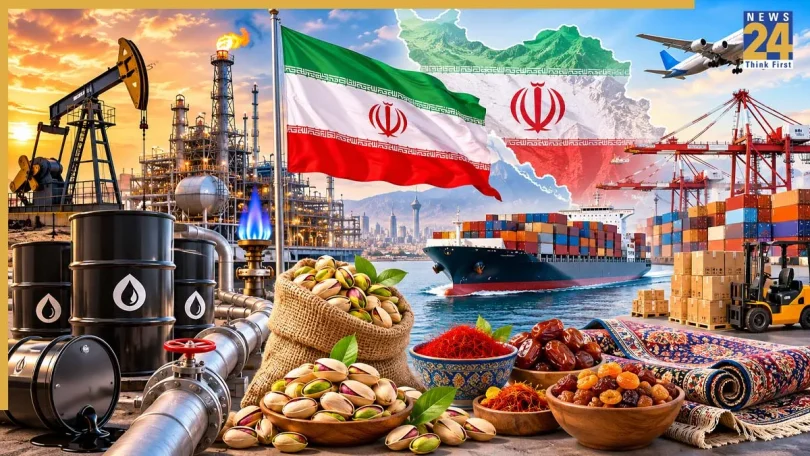
Iran is widely known as one of the world’s major crude oil producers, but oil is not the country’s only source of export income. Despite facing years of international sanctions and economic restrictions, Iran has developed a diversified export portfolio to earn foreign exchange. Along with crude oil, the country exports petrochemical products, natural gas, saffron, pistachios and world-famous Persian carpets, helping it generate billions of dollars in revenue. As trade patterns continue to evolve, these sectors remain important for Iran’s economy.
What does Iran export besides crude oil?
Crude oil continues to be Iran’s largest export and one of the biggest contributors to government revenue. However, sanctions have encouraged the country to reduce its dependence on oil by expanding exports in other sectors.
One of the most valuable industries is petrochemicals. Instead of exporting only crude oil, Iran also manufactures and sells higher-value products such as plastics, polymers, fertilizers and chemical compounds. Because these products undergo industrial processing before export, they generally offer better profit margins than raw crude oil.

Natural gas strengthens Iran’s energy exports
Iran possesses the world’s second-largest proven natural gas reserves. The country exports natural gas mainly through pipelines to neighbouring countries such as Turkey and Iraq.
Although natural gas exports are smaller than crude oil exports, they remain an important source of foreign income. Energy exports help Iran maintain its position as a significant regional energy supplier while supporting its export earnings beyond crude oil.
Saffron and pistachios bring high agricultural value
Agriculture also plays an important role in Iran’s export economy. Saffron is the country’s most valuable agricultural export, with Iran producing around 90% of the world’s saffron. Due to labour-intensive cultivation, limited global supply and premium international prices, saffron delivers one of the highest profit margins among Iran’s agricultural products.

Iran is also one of the world’s leading exporters of pistachios. Its pistachios are well known for their large size and distinctive flavour and are widely exported to markets including India, China and the United Arab Emirates.
Persian carpets remain a luxury export
Apart from energy and agriculture, Iran’s handmade Persian carpets continue to enjoy worldwide recognition. Known for their craftsmanship, artistic designs and high quality, these carpets are considered premium luxury products.

Many Persian carpets take skilled artisans several months to complete, making them highly valued in international markets. Along with petrochemicals, natural gas, saffron and pistachios, these traditional handicrafts contribute to Iran’s diversified export basket.
Although crude oil remains the backbone of Iran’s exports, the country’s ability to generate revenue from processed industrial goods, agricultural products and luxury handicrafts has helped broaden its export base and reduce its dependence on a single commodity.
First published on: Jul 13, 2026 05:28 PM IST
Get Breaking News First and Latest Updates from India and around the world on News24. Follow News24 on Facebook, Twitter.
End of Article
About the Author

Sagar Puri
Sagar Puri is a seasoned Senior Sub-Editor with over four years of newsroom experience, bringing sharp editorial judgment and an eye for detail to every story he handles. Over the years, he has worked across a diverse range of beats, including sports, education, news desk, entertainment, and lifestyle, giving him a well-rounded understanding of the digital news ecosystem.
Read MoreRelated Story


