
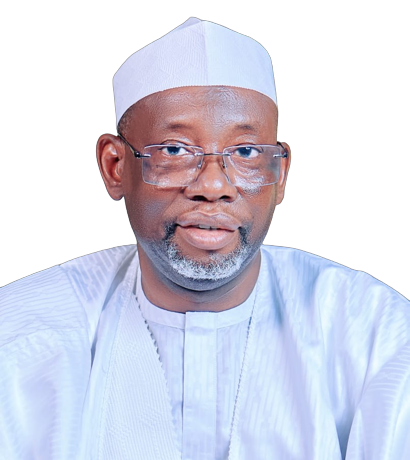
By Adamu Muhd Usman
“If your only tool is a hammer, you will see every problem as a nail. But if you have cattle, land, and knowledge, you have security.”
—-Adapted African Proverb
Clashes between pastoralists and farmers have become increasingly frequent across many parts of Nigeria. These conflicts, largely driven by disputes over grazing land and water resources, have become a recurring national concern that continues to threaten lives, livelihoods, and food security.
The resolutions reached at the Jigawa State Executive Council meeting held on Wednesday, 15 July 2026, particularly caught my attention. I was deeply impressed by the state’s decision to establish modern cattle ranches across its three senatorial districts, with plans to eventually extend the initiative to all parts of the state.
Although the Executive Council discussed and approved several important projects involving billions of naira, the initiative aimed at resolving the long-standing farmers–herders conflict stood out the most for me.
To me, it is the most beneficial and far-reaching decision among all the approvals made by the council. Perhaps some may ask whether my admiration stems from my Fulani background—but regardless of ethnicity, I believe every fair-minded person should appreciate any policy capable of promoting peace, security, and economic prosperity.
Governor Malam Umar Namadi, FCA (Dan Modi), has continued to demonstrate remarkable commitment to making Jigawa State free from conflict and insecurity. This initiative aligns with the Federal Government’s National Livestock Transformation Plan (NLTP 2018–2028), which seeks to transform livestock production in Nigeria from traditional nomadic pastoralism into a modern, sustainable, profitable, and secure system.
The decision represents a significant step towards modernising agriculture, strengthening the state’s economy, and fostering lasting peace among farming and pastoral communities.
The Jigawa State Government will implement the project through a robust Public-Private Partnership (PPP) framework. The ranches will be anchored on a professionally managed livestock value chain designed to promote commercial livestock production.
The initiative will feature high-yield beef production, modern veterinary clinics, disease-control centres, improved breeding facilities, and other critical infrastructure that will enhance livestock development across the state.
The first phase of the project will commence in each of the state’s three senatorial districts. In Jigawa North-West, the ranch will be located at the Sankara Grazing Reserve in Ringim Local Government Area. In Jigawa North-East, it will be situated at the Kashamai Grazing Reserve in Kafin Hausa Local Government Area, while Jigawa South-West will host its ranch at the Kukar Mekiya Grazing Reserve in Kiyawa Local Government Area.
This equitable distribution of such a massive agricultural investment demonstrates that Governor Dan Modi is committed to inclusive development and is ensuring that every part of the state benefits from his administration’s programmes.
The project is expected to deliver multiple benefits to the people of Jigawa State. Foremost among them is the reduction of the perennial farmers–herders clashes through the provision of dedicated, well-equipped ranches for livestock production.
Beyond conflict resolution, the project will generate thousands of direct and indirect jobs for young people and women through the livestock value chain—from feed production to meat processing, dairy production, transportation, and marketing. It will also boost the state’s Internally Generated Revenue (IGR) through taxes, land leases, and participation in both national and international beef and dairy markets.
Governor Namadi’s commitment to agricultural development was further demonstrated during the 2026 Jigawa State Economic and Investment Summit. The event attracted significant investor interest, with more than 70 percent of participating investors expressing their willingness to invest in agro-allied industries across the state.
Given that Jigawa is predominantly an agrarian state, where farming and livestock production constitute the major occupations of the people, such investments are both timely and strategic.
The decision to establish and properly develop grazing reserves is part of Governor Namadi’s broader, multi-dimensional strategy to permanently address the recurring conflicts between farmers and pastoralists that have claimed lives and destroyed livelihoods over the years. It also reflects the fulfilment of one of the key promises contained in his 12-point agenda and strengthens public confidence in his administration ahead of the 2027 elections.
Similarly, the Jigawa State Government has continued to support pastoralists through statewide livestock vaccination campaigns. Thousands of cattle have been vaccinated against infectious diseases, while sheep, goats, and even dogs have been immunised, including vaccination against rabies.
As a result of these routine vaccination exercises, the prevalence of many devastating livestock diseases has declined significantly, improving animal health and increasing livestock productivity.
In many places, grazing reserves exist only as neglected bushland. In Jigawa State, however, Governor Namadi has ensured that they are equipped with essential facilities, improved pasture, and other infrastructure necessary for modern livestock management.
Another important aspect of the strategy is the establishment of security and sensitisation committees. At the same Executive Council meeting, the government also proposed the procurement of 20 Hilux vehicles to strengthen monitoring, improve security operations, and respond effectively to emerging security challenges across the state.
The administration’s far-reaching social policies extend beyond livestock and pastoralists alone. They also prioritise the education and welfare of the children of herders.
The government has established, renovated, and equipped nomadic schools across the state to cater for the educational needs of Fulani children. Governor Namadi has also approved adequate funding, staffing, and provision of learning facilities to ensure that pupils receive both Islamic and Western education.
Farmers–herders conflicts remain a major national challenge affecting peace, food production, and economic development across Nigeria. For this reason, both state governments and the Federal Government should carefully study and emulate the practical, comprehensive, and lasting solutions being implemented by Governor Umar Namadi in Jigawa State.
Adamu writes from Kafin Hausa, Jigawa State.