
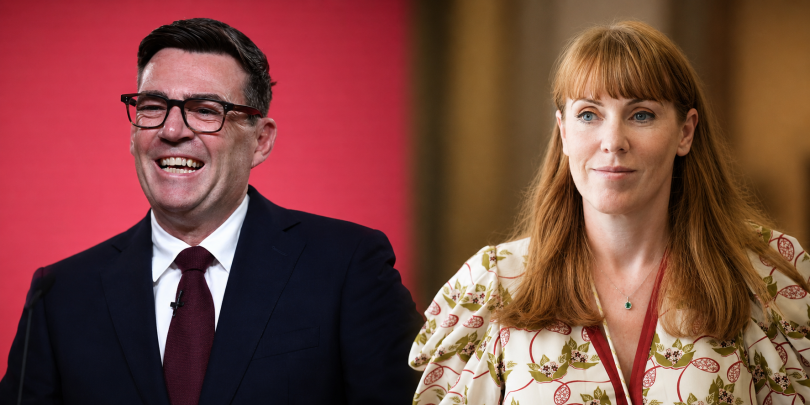
The UK government has ruled out introducing rent controls in England, with Housing Secretary Angela Rayner saying existing reforms are already strengthening protections for tenants.
Speaking during an interview with BBC Breakfast, Rayner said Prime Minister Andy Burnham’s government was not considering rent freezes or rent caps. She argued that such measures had not consistently reduced rental costs in places where they had been introduced.
“I don’t think rent freezes or rent controls are the way forward at the moment,” she said.
Rayner added that the Renters’ Rights Act had given tenants greater protection and was already having a significant impact on the private rental market.
The legislation came into force in England on 1 May 2026. It converted most assured shorthold tenancies into rolling periodic tenancies, ended Section 21 “no-fault” evictions and limited landlords to one rent increase a year.
Landlords must also give tenants at least two months’ notice before increasing rent. Tenants can challenge proposed increases if they believe the new amount is above the market rate.
Rayner acknowledged that Burnham had previously supported a temporary rent freeze while serving as Mayor of Greater Manchester during the height of the cost-of-living crisis.
However, she said the government now believed that stronger tenancy rights, restrictions on rent increases and improved enforcement offered a better long-term solution.
The decision has drawn criticism from campaigners and opposition politicians.
The Green Party has called on the Burnham government to introduce rent controls as part of a wider package to support tenants struggling with high housing costs.
London Mayor Sir Sadiq Khan has also repeatedly called for powers to limit rent increases in the capital. City Hall has argued that London should be allowed to introduce rent controls while exempting some newly built rental properties to protect housing supply.
Rayner also acknowledged that the government’s target of delivering 1.5 million new homes remained difficult because of rising construction costs and other pressures affecting the housing industry.
However, she insisted that the government remained committed to increasing the supply of homes, particularly council and social housing.
The government’s wider cost-of-living programme includes removing VAT from household electricity bills, restoring the £2 bus fare cap and reducing business rates for pubs, clubs and live music venues.
Before becoming prime minister, Burnham outlined proposals for a major housing overhaul that could affect renters, landlords, first-time buyers and homeowners across England.
His plans included a large council housebuilding programme, tougher action against landlords who fail to maintain their properties, and possible reforms to council tax and stamp duty.
However, many of these measures are not yet in force. Some would require formal government announcements, additional funding and parliamentary approval before they could be introduced.
People planning to buy, rent or remortgage a property should therefore continue to follow the rules currently in place.
Burnham, the former Mayor of Greater Manchester and current MP for Makerfield, has placed housing near the centre of his political programme. His record in Greater Manchester suggests that his government will focus on expanding social housing, improving standards in the private rental sector and giving local authorities greater powers to deal with poor-quality properties.
UK Mortgage Approvals and Household Borrowing
Pound Rises as UK Political Uncertainty Eases
Burnham Promises Major Council Housebuilding Drive
One of Burnham’s main proposals is what he has described as the largest council housebuilding programme since the Second World War.
Council housing refers to homes owned by local authorities and offered at rents that are usually lower than those charged in the private market.
Burnham argues that building more homes for social rent would help families who cannot afford private rents or current property prices.