
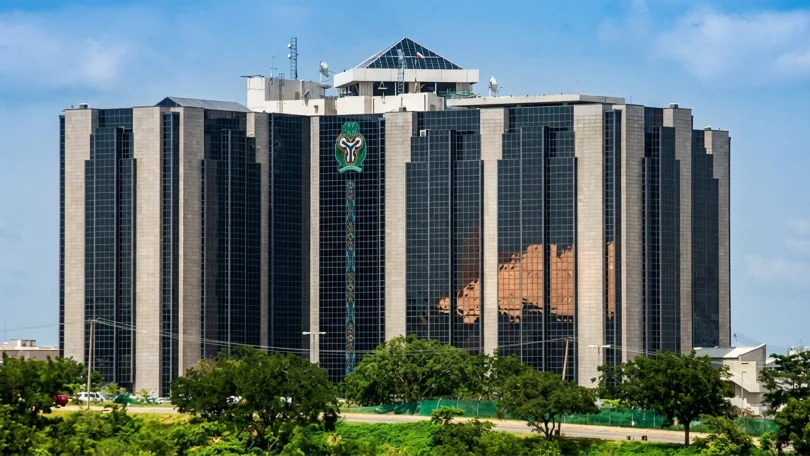
The Monetary Policy Committee (MPC) of the Central Bank of Nigeria has concluded its July 2026 meeting, setting the tone for monetary policy until its next meeting on September 21–22, 2026….
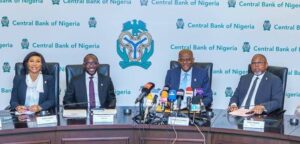
The Monetary Policy Committee (MPC) of the Central Bank of Nigeria has concluded its July 2026 meeting, setting the tone for monetary policy until its next meeting on September 21–22, 2026.
Here are 13 key takeaways from the communiqué and what they mean for households, businesses and investors.
1. Interest rates remain unchanged
The CBN retained the Monetary Policy Rate (MPR) at 26.5 per cent, signalling that borrowing costs are unlikely to ease before the next MPC meeting unless economic conditions change significantly.
2. Banks are expected to keep lending rates high
With the benchmark rate unchanged, commercial banks are unlikely to significantly reduce lending rates. Businesses seeking loans should continue to expect relatively expensive borrowing.
3. Inflation is showing signs of slowing
Headline inflation eased slightly to 15.91 per cent in June from 15.93 per cent in May, ending three consecutive months of increases. While the improvement is marginal, it suggests price pressures may be stabilising.
4. Food prices remain the biggest concern
Despite lower headline inflation, food inflation rose to 17.52 per cent because of supply constraints. This means consumers may continue to experience high prices for food even as overall inflation moderates.
5. Exchange rate stability is helping
The MPC attributed the decline in core inflation largely to stability in the foreign exchange market, indicating that maintaining exchange rate stability remains central to the CBN’s inflation strategy.
6. Nigeria’s economy is still growing
The economy expanded by 3.89 per cent in the first quarter of 2026, driven mainly by telecommunications, financial services, trade, transportation and other non-oil sectors, despite slower growth in oil production.
7. External reserves are stronger
Nigeria’s gross external reserves increased to $52.52 billion, enough to cover about 11 months of imports, giving the country a stronger buffer against external economic shocks.
8. The banking sector is in a stronger position
The MPC welcomed the outcome of the banking recapitalisation exercise, saying it has improved the resilience of the financial system. However, the CBN says close supervision will continue to guard against financial risks.
9. The Middle East conflict is the biggest risk
The committee warned that renewed hostilities in the Middle East could push up global energy prices, fuel imported inflation and disrupt Nigeria’s economic outlook if the crisis escalates further.
10. Government reforms are beginning to show results
The MPC said earlier fiscal and monetary reforms have helped Nigeria remain resilient despite global shocks. It also commended improved policy coordination between the Federal Government and the CBN.
11. Oil and mining remain priorities
The committee encouraged continued reforms to raise crude oil production while urging government agencies to maximise opportunities in the solid minerals sector to diversify national revenue.
12. Inflation is expected to ease further—but cautiously
The MPC expects inflation to moderate further as exchange rate stability continues and food supplies improve during the harvest season. However, it stressed that this outlook depends on global developments remaining manageable.
13. All eyes are on September
The committee made it clear that future policy decisions will depend on incoming economic data, especially inflation, exchange rate movements and the impact of global geopolitical tensions.
Its next meeting is scheduled for September 21–22, 2026, when it will decide whether to maintain, raise or reduce interest rates.