
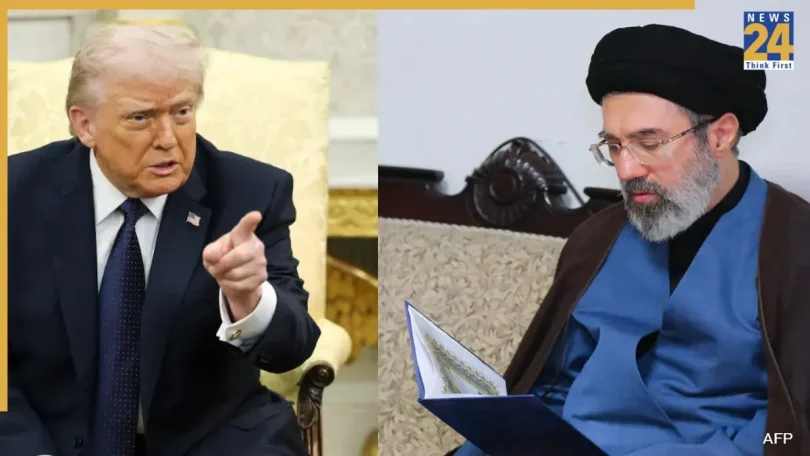
The United States and Iran have reportedly agreed to stop carrying out military strikes against each other and will hold high-level talks in Doha, Qatar, on Tuesday. The discussions aim to revive a fragile peace agreement that came under pressure after fresh military exchanges threatened to undo recent diplomatic progress.
According to Axios, both countries have agreed to suspend all ‘kinetic activity’ while technical negotiations continue over the Strait of Hormuz. The move comes just 11 days after Washington and Tehran announced an interim agreement to end months of conflict. Although the truce was shaken by fresh attacks from both sides, officials are now expected to meet in Doha to prevent another military escalation.
Doha Talks Aim to Restore the Truce
Senior US officials said both countries had agreed to halt military operations before the meeting. “We decided to stop all the kinetic activity,” one senior US official told Axios. Another official said both sides would stand down “for now” and added that “vessels can move freely” while technical discussions continue.
The talks were originally planned to take place in Switzerland as part of wider negotiations over Iran’s nuclear programme. However, after renewed military exchanges over the weekend, diplomats shifted the meeting to Doha and narrowed the focus to resolving disagreements over the Strait of Hormuz.
Nick Stewart, who leads the US technical team, is expected to attend the discussions. The White House has not publicly commented on the planned meeting.
Strait of Hormuz Remains the Main Dispute
The Strait of Hormuz has become the biggest challenge in implementing the agreement between Washington and Tehran. Under the memorandum of understanding, Iran agreed to make its best efforts to ensure the safe passage of commercial ships through the waterway. In return, the United States agreed to lift its naval blockade of Iranian ports.
Last week, negotiators meeting in Switzerland also agreed to establish a direct military “hotline” between US forces and Iran’s Islamic Revolutionary Guard Corps (IRGC) to coordinate maritime traffic through the strait and avoid future confrontations.
However, US officials said the communication channel was still not operational by the weekend. Meanwhile, Iran insisted that ships travelling through the Strait of Hormuz should coordinate directly with Iranian authorities. Washington believes this demand goes beyond what was originally agreed, and the differing interpretations quickly led to the latest military confrontation.
Fresh Strikes Brought Ceasefire Close to Collapse
The latest diplomatic effort follows one of the most dangerous weekends since the ceasefire was announced. Iran launched missiles and drones at US military sites in Kuwait and Bahrain after Washington carried out strikes on Iranian military facilities.
The United States said its operation targeted missile and drone infrastructure, coastal radar installations and other military assets following Iranian attacks on commercial shipping in the Strait of Hormuz. “Iran was given a chance to honor the ceasefire agreement but elected not to,” US Central Command said.
The command added that the strikes were carried out “in direct response to continued Iranian aggression against commercial shipping.”
Iran rejected the US account and accused Washington of breaking the agreement. The Islamic Revolutionary Guard Corps said its missile and drone attacks on US bases in Kuwait and Bahrain were retaliation for American strikes and warned they would halt diplomatic efforts if violations continued.
A US official said there were no reported American casualties or major damage to military facilities. Kuwait said its air defences intercepted two ballistic missiles, while Bahrain reported limited damage to a residential building but no casualties.
Trump Warns of Further Military Action
The renewed tensions came shortly after President Donald Trump warned Iran that the United States was ready to resume military operations if Tehran failed to honour the agreement. “There may come a point when we are no longer able to be reasonable, and will be forced to militarily complete the job that we very successfully started,” Trump wrote on social media.
“If that happens, the Islamic Republic of Iran will no longer exist!” His comments came as both countries accused each other of violating the memorandum signed earlier this month.
Lebanon and Gaza Add to Regional Pressure
The wider regional situation has made efforts to preserve the agreement more difficult. Israel carried out fresh strikes on Hezbollah positions in southern Lebanon over the weekend despite a separate ceasefire arrangement between Israel and Lebanon.
Iran argued that the broader understanding with the United States required fighting to stop across all fronts, including Lebanon. Iranian Foreign Minister Abbas Araqchi accused Israel of violating the agreement and said Washington was responsible for ensuring Israel complied.
He also warned that any attempt to challenge Tehran’s role in managing maritime traffic through the Strait of Hormuz would increase tensions and delay the full reopening of one of the world’s busiest energy shipping routes. Meanwhile, military operations continued in Gaza, where Palestinian authorities reported additional casualties.
What Happens Next?
The Doha meeting is expected to focus first on resolving disagreements over commercial shipping through the Strait of Hormuz before negotiators return to broader issues, including Iran’s nuclear programme, sanctions relief and the long-term implementation of the peace agreement. The outcome of the talks could decide whether the memorandum of understanding survives its first major crisis.
For now, both Washington and Tehran appear to have stepped back from the brink, choosing diplomacy instead of another round of military retaliation. Whether this pause leads to a lasting settlement will depend on the outcome of the negotiations in Doha this week.
First published on: Jun 29, 2026 07:00 AM IST
Get Breaking News First and Latest Updates from India and around the world on News24. Follow News24 on Facebook, Twitter.
End of Article
Related Story


