
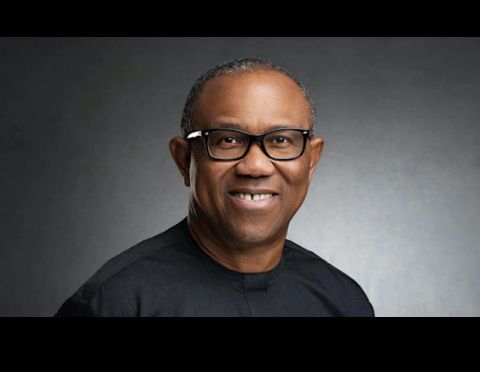
Presidential candidate of the Nigerian Democratic Congress (NDC), Peter Obi, has downplayed the significance of endorsements from state governors ahead of future elections, insisting that electoral victories are determined by the people rather than political officeholders.
Speaking during an interview on Noire TV, Obi argued that his performance in the last presidential election demonstrated that support from governors is not a prerequisite for electoral success. According to him, despite contesting without the backing of any sitting governor, he was able to secure victories in 12 states across the country.
The former Anambra State governor maintained that political influence at the state level does not necessarily translate into votes at the ballot box, stressing that ordinary Nigerians remain the ultimate deciders of election outcomes.
“It doesn’t matter whether 36 governors are with the president,” Obi said during the interview. “I didn’t have one governor in the last election and I won 12 states. Even after they have stolen two from me, I still won 12 states.”
Obi further alleged that irregularities affected the outcome in two states, claiming that he would have secured victories in 14 states had the electoral process been conducted fairly. He also referenced the Federal Capital Territory, Abuja, and the legal debates that followed the election, suggesting that judicial interpretations effectively elevated Abuja’s status in electoral calculations.
The NDC candidate pointed to the performance of other major contenders in the election, including former Kano State governor and presidential candidate, Rabiu Musa Kwankwaso, who won Kano State, while the major political parties shared victories across different states.
According to Obi, the political landscape has evolved significantly, with voters becoming increasingly independent in their choices rather than simply following the directives of political leaders or governors.
He argued that future elections should focus less on elite political alliances and more on addressing the socio-economic challenges confronting millions of Nigerians.
“What is important, and what this campaign election is going to be about, is how to make Nigeria work for the poor,” he stated.
The remarks come amid growing political realignments and speculation about possible alliances ahead of the next general elections. In recent months, discussions surrounding defections, endorsements and coalition-building have dominated Nigeria’s political landscape, with parties seeking to strengthen their positions before the next electoral cycle.
However, Obi’s comments suggest a different strategy centred on grassroots mobilisation and direct engagement with voters. His supporters have frequently highlighted the role of citizen participation, particularly among young people, in shaping electoral outcomes.
Political analysts note that while governors remain influential figures due to their control of party structures and political machinery within their states, recent elections have shown that voter behaviour can sometimes defy traditional political calculations.
As preparations gradually begin for future elections, Obi’s latest remarks are likely to fuel ongoing debates about the true extent of governors’ influence in Nigeria’s democracy and whether popular movements can overcome established political structures.
With economic hardship, unemployment, inflation and insecurity remaining major concerns for many Nigerians, the battle for voter support may ultimately be determined by which candidate presents the most convincing solutions to the country’s pressing challenges rather than the number of political endorsements they command.