
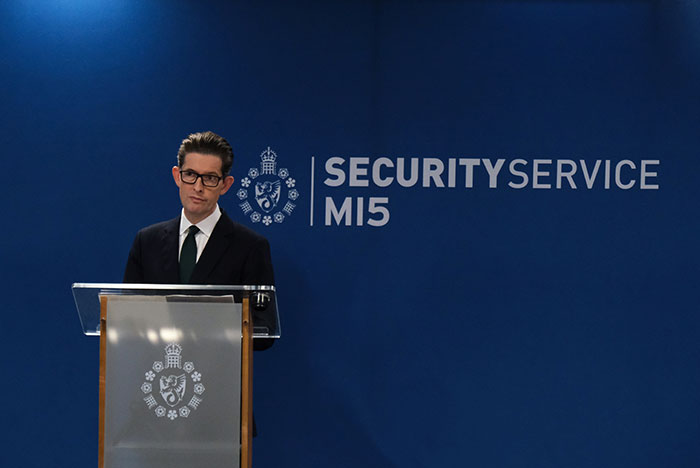
Chinese spies are using LinkedIn to target UK government officials, military personnel and others with access to sensitive information, MI5 has warned.
The warning was issued in a joint bulletin by the Five Eyes intelligence partners — the UK, US, Australia, Canada and New Zealand.
According to the bulletin, Chinese military intelligence officers are using fake recruitment campaigns to approach people who may have access to classified or privileged information.
The agencies said the spies pose as employees of private companies, thinktanks or human resources firms. They then advertise fake jobs, including roles for foreign policy and defence analysts, in order to draw in potential targets.
The campaign is said to be taking place on professional networking and job platforms such as LinkedIn, Indeed and Upwork.
MI5 and its partners said the operation is aimed at people with direct or indirect access to government, military, defence, foreign policy, economic or security information.
The bulletin said Chinese military intelligence services are using an “aggressive online recruitment strategy” to reach people across the Five Eyes countries.
It warned that successful candidates are pressured to provide “non-public” information to clients linked to the Chinese government.
“China’s military intelligence services ultimately seek to acquire privileged military, political and economic intelligence that can provide China with a strategic and tactical advantage over the Five Eyes,” the bulletin said.
The warning is likely to raise fresh concern about the use of social media and job websites by hostile states seeking to gather sensitive information from government workers and security-linked professionals.
The agencies said those at risk include security clearance holders, especially people working in defence, foreign affairs, intelligence and national security.
Military personnel are also being targeted, particularly those stationed in or connected to the Indo-Pacific region, where knowledge of military activity and regional capabilities may be valuable to Beijing.
The bulletin also warned that people without direct access to classified material could still be targeted.
This includes academics, journalists, freelance writers, thinktank staff and people linked to defence, security, policy and economic sectors.
Officials said even limited or indirect information could be useful when combined with other intelligence.
According to the warning, the process often begins with a fake online job advert. Applicants are then screened through their CVs to identify those who may have useful contacts, specialist knowledge or access to sensitive networks.
Interviews are usually conducted virtually, with the recruiters hiding their real identities.
During the process, candidates may be asked about government contacts, military activity, policy discussions or internal procedures.
They are then often asked to write trial reports on subjects such as China’s foreign relations, defence matters, trade or regional security.
Over time, the conversation may move to encrypted messaging platforms, where the pressure to provide more sensitive information increases.
The bulletin said recruits may be paid between a few hundred and several thousand dollars for reports.
Payments are reportedly made through platforms including PayPal, Payoneer, Zelle, Skrill, Wise, Western Union, e-transfer and cryptocurrency.
Security agencies warned that anyone who makes unauthorised disclosures of protected information could face prosecution for spying.
MI5 has previously warned that Chinese agents were using LinkedIn and other platforms to approach Britons working in sensitive roles.