
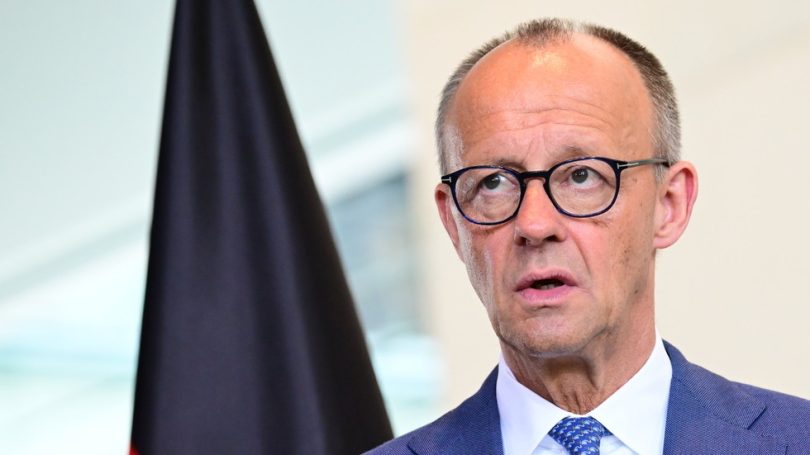
The case is just one of dozens of proceedings over online insults against the chancellor
A German court has ruled that calling Chancellor Friedrich Merz a “lying Fritz” should be criminally prosecuted because of “particular public interest,” slapping the offender with a fine amounting to an average monthly salary, or more than €2,000 ($2,322).
The case is just one of dozens of similar investigations launched by German police over critical comments posted on Facebook last year, the public prosecutor’s office in the southwestern city of Heilbronn confirmed to Die Welt.
The prosecution dates back to October 25, when a local police department issued a drone no-fly zone warning ahead of Merz’s visit to the area. What followed was a string of angry statements calling Merz anything from a liar to a “lying clown,” a “loose talker,” and a “lackey,” according to reports.
Authorities opened 39 initial proceedings under Article 188 of the German Criminal Code, which bans insults against people “engaged in public political life” if they are “likely to significantly impede” their public activities. Some 15 cases were eventually dropped due to lack of evidence, the prosecutor’s office said.
People who called Merz “Pinocchio” and a “lying clown” can rest assured that no law enforcement officials will be knocking on their doors any time soon, according to Tagesspiegel.
However, in the case of “lying Fritz,” the court decided in March that the words were “likely to incite further negative prejudices or aggression among like-minded individuals.”
When asked about the cases at this week’s press conference, a government spokesman said he would not comment on the issue “out of respect for the judiciary,” adding that Merz himself had not filed any charges. When pressed further, the official said these were “normal legal procedures” that “must be protected.”
Merz, who has been known for claiming the welfare state is obsolete and telling Germans to work more instead of taking sick leave, was recently named the world’s most unpopular political leader in a public opinion survey. Last month, German media reported that his own party was mulling dumping him because of record-low approval ratings.
The development has further fueled concerns about free speech in Germany. German regulators are reportedly planning to force social media platforms to boost government-approved media outlets in their algorithms, according to media reports citing leaked government documents. Even the EU stated in April that the German government had misused hate-speech laws to restrict freedom of expression.
You can share this story on social media: