
1 / 6
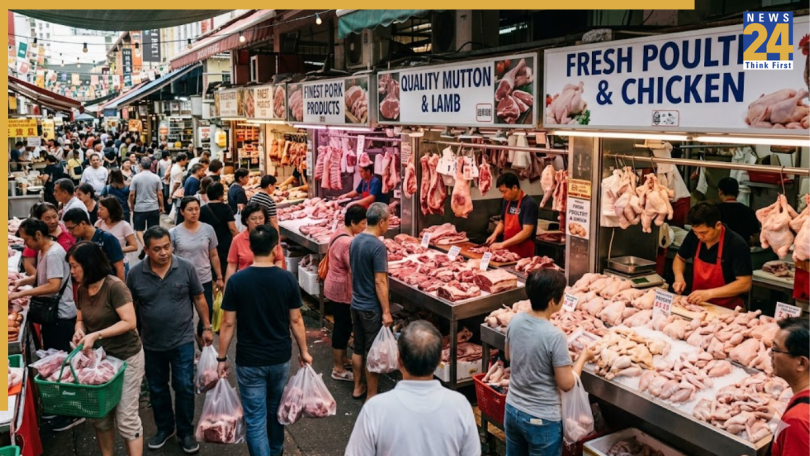
A UN report warns that global meat consumption has nearly doubled since 1961, increasing pollution and greenhouse gas emissions, while scientists urge dietary changes to tackle climate challenges.
UN Report Raises Alarm Over Rising Global Meat Consumption

2 / 6
A new report by the United Nations Food and Agriculture Organization (FAO) has revealed a dramatic shift in global eating habits over the past six decades. According to the report, people around the world are consuming far more meat than before, raising concerns about environmental sustainability, greenhouse gas emissions and climate change.
Global Meat Consumption Nearly Doubled Since 1961

3 / 6
The report shows that average annual meat consumption per person increased from 25 kilograms in 1961 to 47 kilograms in 2022. This sharp rise reflects changing lifestyles, growing incomes and increasing urbanisation across many countries. Experts say meat has become a regular part of diets in regions where it was once consumed less frequently.
Chicken Consumption Records Six-Fold Jump

4 / 6
Chicken has seen the biggest increase among all meat categories. In 1961, the average person consumed less than 3 kilograms of chicken per year. By 2022, that figure had surged to 17 kilograms, marking a nearly six-fold increase. Pork consumption has also doubled to around 15 kilograms per person annually, while global beef consumption has remained relatively stable at about 9 kilograms per person.
Growing Demand Linked to Pollution and Climate Concerns

5 / 6
Environmental experts warn that rising meat consumption is putting additional pressure on the planet. Agriculture and livestock farming are now among the largest contributors to greenhouse gas emissions worldwide. According to the report, livestock production alone accounts for an estimated 12% to 20% of emissions linked to global warming. Scientists fear that pollution from this sector could continue to rise in the coming years if current consumption trends persist.
Scientists Urge Dietary Changes as Debate Grows

6 / 6
The report also highlights a significant gap between wealthy and low-income countries. While richer nations continue to consume large amounts of meat, many poorer regions still struggle with food insecurity. Some scientists have criticised the FAO for not directly recommending reductions in meat consumption. They argue that encouraging more plant-based diets, reducing food waste and improving farming practices could help lower emissions and slow the effects of climate change more effectively.