
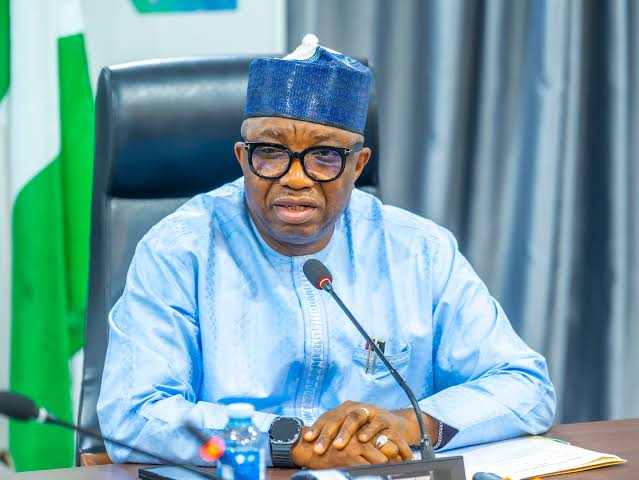
The Nigeria Data Protection Commission (NDPC) has warned that anyone found tampering with the personal data of Nigerians ahead of the 2027 general elections will face legal consequences.
The warning was issued by the National Commissioner of the NDPC, Vincent Olatunji, during an interview on Channels Television, as concerns continue to grow over data privacy and the safety of voter information in the country.
Olatunji said the commission is closely monitoring the handling of personal data by political actors and institutions, especially as election activities gradually begin to gather momentum.
According to him, the protection of citizens’ personal information remains a serious national concern, particularly at a time when political parties and other groups are collecting large volumes of voter-related data.
Speaking on the matter, Olatunji raised concerns over how political parties manage the information they gather from members and supporters.
“They are collecting data of their party members. What kind of privacy safeguards, what kind of guardrails they have that they put in place. They don’t even know. That’s the truth.”
He stressed that many political organisations still lack proper understanding of data privacy obligations and the risks associated with poor handling of sensitive information.
The NDPC boss said the commission has intensified efforts to improve awareness and ensure stakeholders understand the legal requirements surrounding data processing and protection.
“And that’s why, again, awareness comes in. We are trying to work with them to meet with all the political parties. Every week we pass training, we are happy to train them.”
Olatunji explained that the commission has continued to engage political parties through regular training sessions focused on responsible data handling and compliance with Nigeria’s data protection laws.
According to him, the training extends beyond top-level officials and is aimed at reaching grassroots structures where voter mobilisation largely takes place.
“on how to use, on how to process personal data up to the lower level.”
He also highlighted the role of traditional institutions in spreading awareness, noting that community leaders remain critical in reaching millions of Nigerians at the grassroots.
Olatunji said the commission has expanded collaboration with traditional rulers to improve awareness in rural communities where direct engagement with citizens is strongest.
“And one thing that we have done, even leaving it to traditional institutions, we now have the Royal Ambassador, who is the chair, the vice-chair of Southwest Council of Traditional Rulers.”
The NDPC Commissioner noted that traditional rulers remain among the most trusted channels for communication in many local communities, especially during election seasons.
He explained that artisans, traders, transport workers, and rural residents form a major part of Nigeria’s voting population and should not be overlooked in conversations about data protection and election integrity.
“From the traditional institutions, how do you disseminate information to your subjects? They are the first people to contact with their subjects. In all the rural communities. And these are the real voters.”
Olatunji specifically pointed to market women, transport unions, artisans, food vendors, and commercial motorcycle operators as critical stakeholders in the electoral process.
According to him, these groups often play major roles in shaping political conversations at the grassroots and must be protected from exploitation linked to misuse of personal data.
“The artisans, the market women, the transport unions, and so on. These are the real voters.”
He concluded that voter awareness must improve significantly before the 2027 elections to prevent exploitation, manipulation, and abuse of personal information.