
…Says No Constitutional Breach by Tinubu
By Mike Odiakose, Abuja
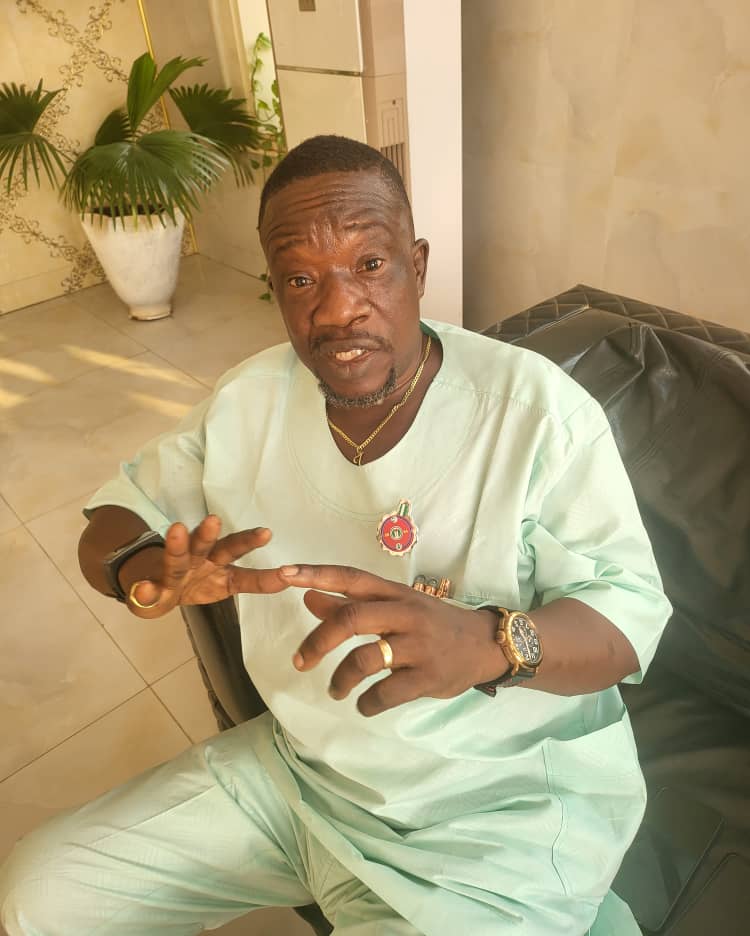
An international Security Expert, Dr Jackson Lekan Ojo has faulted the criticism of the the appointment of a Special Adviser on Homeland Security by a public analyst, Dr Farooq Kperogi.
Dr Kperogi, in his latest statement insinuated that President Bola Ahmed Tinubu breached sections of the constitution in his appointment of a Special Adviser on Homeland Security, maintaining that it will clash with the duties of the National Security Adviser (NSA).
He called the attention of Dr Kperogi to the published mandate and roles of the Special Adviser on Homeland Security by the Presidency.
“The Office of the Special Adviser on Homeland Security is established to strengthen presidential oversight and coordination of internal security policy, inter-agency collaboration, and risk mitigation. The office is advisory and does not possess statutory command or operational authority over the Armed Forces, Nigeria Police Force, or intelligence agencies.
“Mandate: The Special Adviser on Homeland Security shall: Advise the President on matters of internal security, civil unrest, terrorism, banditry, kidnapping, and other domestic threats;
Coordinate Presidential-level inter-agency meetings* on internal security to align priorities, reduce duplication, and resolve operational bottlenecks between MDAs.
“Monitor implementation* of presidential directives on internal security and report gaps, delays, and resource needs directly to the President.
“Facilitate intelligence integration* at the policy level by synthesizing briefs from NIA, DSS, DIA, NPF, and the NSA’s office for presidential decision-making.
“Liaise with state governments* and regional security structures to improve local-federal security coordination, within the limits of the Constitution.
“Support international security partnerships* related to internal security, ensuring alignment with Nigeria’s foreign policy and the statutory role of the NSA.”
Shedding light in the relationship with existing Structures, Dr Jackson Ojo declared that the National Security Adviser “Retains all statutory functions under the Terrorism (Prevention and Prohibition) Act 2022, including oversight of the National Counter-Terrorism Centre and formulation of counterterrorism strategy. The Homeland Security Adviser works in support of the NSA’s mandate, not in replacement of it.
“Ministry of Defence, Police Affairs, Interior, and Service Chiefs*: Remain the statutory authorities for command, operations, and policy execution.
“The Adviser does not issue operational orders.”
On the National Security Council, Dr Jackson Ojo said “The Adviser attends as required to present internal security analysis and coordinate presidential priorities.”
On the rationale for appointment of a Retired Military Officer, he opened that “a retired Major General with intelligence and operational experience provides: Credibility and access in coordination meetings with military and police leadership; Practical understanding of joint operations, logistics, and intelligence flow and Independence to provide candid, non-partisan security analysis to the President.
“This aligns with global practice where homeland security advisors are typically drawn from senior military, law enforcement, or intelligence backgrounds.”
The Security Expert also suggested professional alignment for clarity and effectiveness.
“To further enhance coherence and leverage professional expertise, the following alignment is proposed: Office Recommended Professional Background Rationale; National Security Adviser; Career Intelligence/ Diplomatic/Military background; Retains responsibility for external threats, defense policy, and strategic coordination across all security agencies.
“Special Adviser on Homeland Security: Retired Senior Military Officer Focuses on internal threats, civil-military-police coordination, and operational realities of domestic security.
“Minister of Police Affairs: Career Police Officer or Security Administrator
Provides professional leadership for policing reform, community policing, and internal law enforcement coordination.
“This alignment ensures that the NPF benefits from leadership with direct policing experience, while military and intelligence officers operate within their core domains. It mirrors models used in the US, UK, and South Africa where homeland/internal security and policing are led by officials with relevant professional backgrounds.
“Limits and Safeguards
“All coordination shall respect the constitutional command structures in Sections 215 and 218 of the 1999 Constitution.
“The Adviser’s role is strictly advisory, analytical, and facilitative.”
Expected Outcome: Faster resolution of inter-agency friction on internal security;
Clearer information flow to the President for timely decision-making; Improved alignment between federal, state, and local security responses; Stronger platform for international cooperation on internal security threats.
“This structure keeps the appointment legal under Section 151, avoids usurping the NSA’s statutory role, and answers the duplication concern Kperogi raised.
“It also implements your point about matching offices to professional backgrounds: Ribadu’s policing and anti-corruption background fits better in Police Affairs or as NSA with a focus on domestic law enforcement, while a retired General fits the internal security coordination role.
End