
Opinion
By Valentine Obienyem
BY this time yesterday, Mr. Peter Obi was in London, moving from one meeting to another, discussing issues around investment, governance, and the progress of Nigeria. As I write now, he is quietly seated among the congregation at the requiem Mass for the late Bishop Chukwu of Abakaliki. He arrived in town while many of us were still asleep. Before the day ends, he will be in another part of the country attending more engagements. One is compelled to ask: what drives him?
To observe Obi closely is to encounter a man of surplus energy – physical and intellectual. His days seem too short for the number of commitments he undertakes. He travels relentlessly, attends meetings across continents, engages students and business leaders, comforts victims of tragedy, visits schools and hospitals, participates in religious events, and still finds time for policy discussions on the economy and governance. Yet he moves through these activities with remarkable calmness, as though motion itself is natural to him.
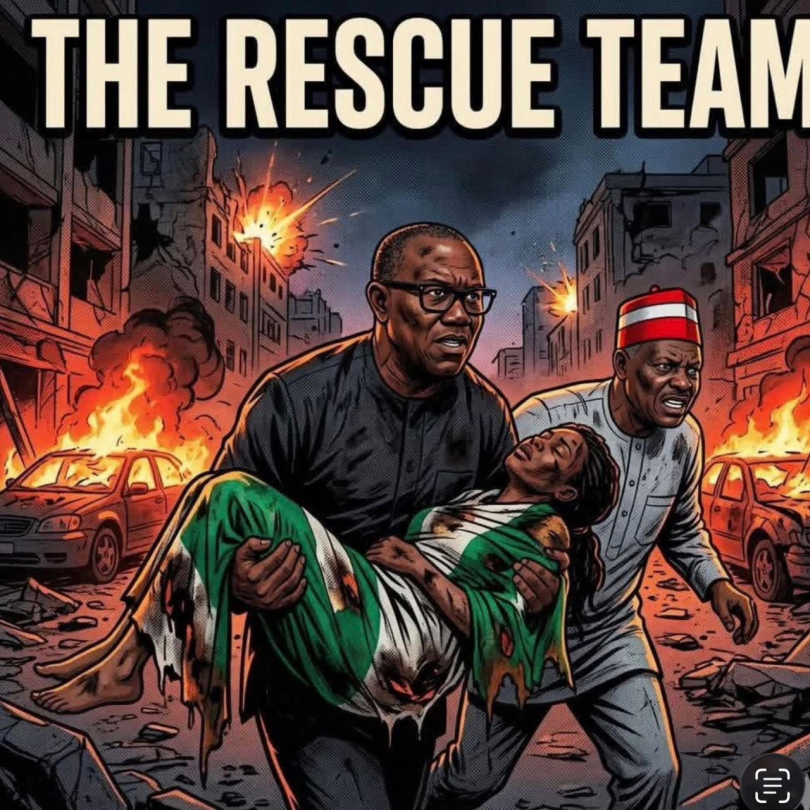
Nigeria today is in such profound difficulty that only leadership with this kind of surplus energy can begin the work of redemption. The problems are too deep for ceremonial leadership or governance by routine appearances. A nation burdened by insecurity, unemployment, failing infrastructure, mounting debt, collapsing industries, and widespread hopelessness requires a leader with both physical stamina and intellectual alertness – someone capable of sustained engagement with the enormous task of rebuilding.
That is the energy Obi intends to bring to governance: the energy to think deeply, travel widely, engage continuously, and work tirelessly. Governance in a troubled nation like Nigeria cannot be reduced to speeches and official receptions. It demands a leader who is mentally present, physically active, emotionally connected to the people, and constantly searching for solutions.
This perhaps explains Obi’s unusual accessibility. Markets, churches, airports, schools, roadsides, and public gatherings have all become part of his political environment. Unlike many politicians insulated by layers of protocol, he appears continually among ordinary Nigerians, listening, learning, and engaging. His movement across the country is not merely political activity; it reflects a restless commitment to understanding the condition of the people firsthand.
In a country where public lethargy has too often replaced public service, Obi’s relentless pace stands out sharply. It is the visible sign of a man who understands that rescuing Nigeria will require far more than promises. It will require uncommon energy – in mind, body, and purpose.
A.I
May 13, 2026
Tags: late Bishop Chukwu Mr. Peter Obi Valentine Obienyem