
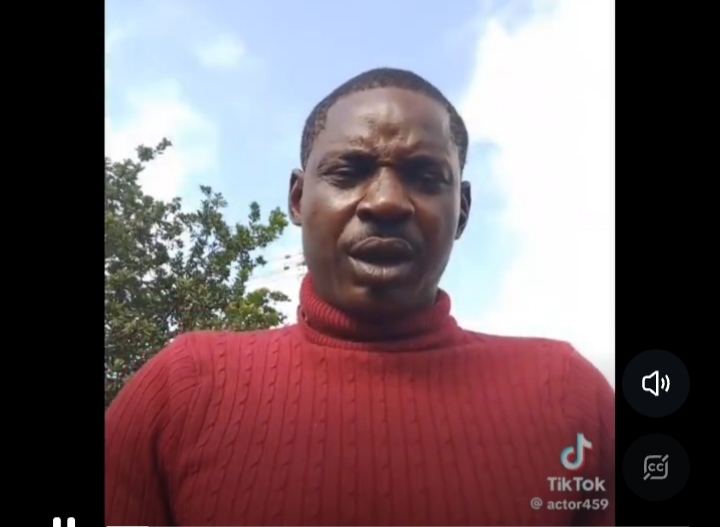
RULAAC in a statement signed by its executive director Okechukwu Nwanguma, described the officer’s outburst as “deeply troubling, unacceptable, and incompatible with the responsibilities of a law enforcement officer in a democratic society.”
The group noted that although Officer Isokpehi has since apologised, attributing his comments to frustration over poor welfare conditions and traumatic experiences in service, such threats remain unacceptable.
RULAAC emphasised that the Nigeria Police Force has already clarified, following a court judgment, that citizens have the constitutional right to record police officers performing their duties in public spaces.
“Citizens do not record police officers because they hate the police,” the statement read. “They record police operations largely because of the history and persistence of police misconduct, brutality, extortion, torture, extrajudicial killings, and denial of justice for victims.”
RULAAC argued that video recordings have become vital tools for accountability, evidence preservation, and protection for both citizens and professional officers.
The advocacy centre acknowledged the genuine challenges faced by police personnel, including poor welfare, operational trauma, and inadequate support systems, describing these as longstanding issues requiring urgent government attention. However, it stressed that frustration or poor conditions can never justify threats against citizens exercising their constitutional rights.
RULAAC highlighted the incident as further proof of the urgent need to equip Nigerian police officers with body-worn cameras. The group said body cameras would protect both citizens and officers, promote professionalism, discourage abuse, and help rebuild public trust in the police.