
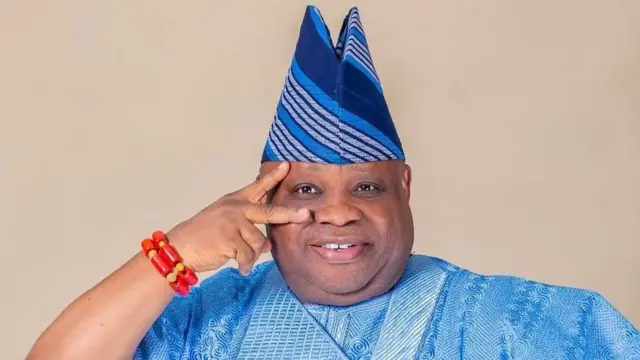
Ademola Adeleke stands out in Nigerian politics because he combines executive authority with a rare public warmth. He is not only the Governor of Osun State; he is one of the few political figures whose image reaches beyond government circles into popular culture.
His smile, dancing style and relaxed manner have become part of his identity. What critics once used to mock him has helped make him familiar to many voters. In a political environment where many leaders appear distant, Adeleke often presents himself as approachable and easy to connect with.
PrimeTimes estimates his weighted influence score at 87.4/100, positioning him among Nigeria’s top public figures whose soft power has helped shape the country’s culture, global image and creative economy.
Adeleke ranks as a high-impact political personality because he holds state power while maintaining a strong emotional connection with the public. Many governors control budgets and appointments, but few have his level of cultural visibility.
As governor, he controls Osun State’s executive machinery, policy direction, public spending and political structure. His relevance is even stronger in 2026 as he seeks another mandate in a closely watched governorship race.
His family background also plays a major role. The Adeleke name carries weight in politics, business and entertainment. His late brother, Senator Isiaka Adeleke, was a major figure in Osun politics, while his nephew, Davido, is one of Africa’s best-known music stars. This connection gives him visibility far beyond the usual political audience.
However, his rise cannot be explained by family alone. Adeleke has built a personal brand around warmth, movement and direct connection with people. At public events, he often appears less like a distant official and more like a familiar community figure. That has helped him reach voters who may not follow policy debates closely.
His administration has also tried to link popularity with governance. The state government has promoted work in infrastructure, education, youth and women empowerment, cooperative financing, health services and local development. These areas matter because public affection must eventually be tested by delivery.
Adeleke’s leadership style is built around visibility and grassroots contact. He understands that politics is not only about speeches and party structures. It is also about how people feel when they see a leader, hear him speak or watch him interact with ordinary citizens.
Still, his career has faced scrutiny. The certificate controversy once became a major issue and gave opponents a chance to question his credibility. Although the courts later cleared the way for his political journey, the matter remains part of his public record.
For critics, that episode raised questions about preparedness. For supporters, his survival showed resilience and proved that voters were willing to look beyond the attacks.
This balance makes him an important figure. His image attracts attention, but his office gives him real authority. His family name opened doors, but his personal appeal helped him build his own path. His controversies tested him, but they did not remove him from the political stage.
Adeleke also reflects a changing style of Nigerian politics, where entertainment culture, emotion, family networks and electoral strength can work together. Unlike leaders who depend mainly on party machinery, he has built recognition through personality as well as position.
His appeal among younger Nigerians is also notable. Many may not know every detail of his policies, but they recognise his image, his dance, his humour and his family connection to music. That gives him a level of public recognition many governors do not enjoy.
The real test for Adeleke is whether he can turn popularity into lasting reform. His supporters point to his welfare programmes, infrastructure push and electoral strength. His critics argue that charm must be matched by deeper economic planning, stronger institutions and wider development across Osun.
Ademola Adeleke is influential because he has built a rare political mix: family recognition, personal charm, state power, controversy survival, grassroots loyalty and cultural reach.
He is not just the “dancing governor”. He is a politician who turned mockery into visibility and visibility into political strength.
His dance made him noticeable. His smile made him relatable. His office made him powerful. His survival through controversy made him harder to dismiss.