
KENNEBUNK, Maine – Captain Chris Welch of Kennebunk, Maine, is catching fewer lobsters this spring because spiking diesel prices have made it too costly to take out his fishing boat as often as he normally would.
Instead of checking and re-baiting his traps every four or five days to collect the valuable crustaceans, he’s doing so every seven to 10 days to conserve fuel.
“It cuts into your profitability at the end of the day,” Capt Welch said after fueling his vessel, Quality Time, on a rainy day at Kennebunk’s harbour. “We are having to pay much more attention to our bottom line.”
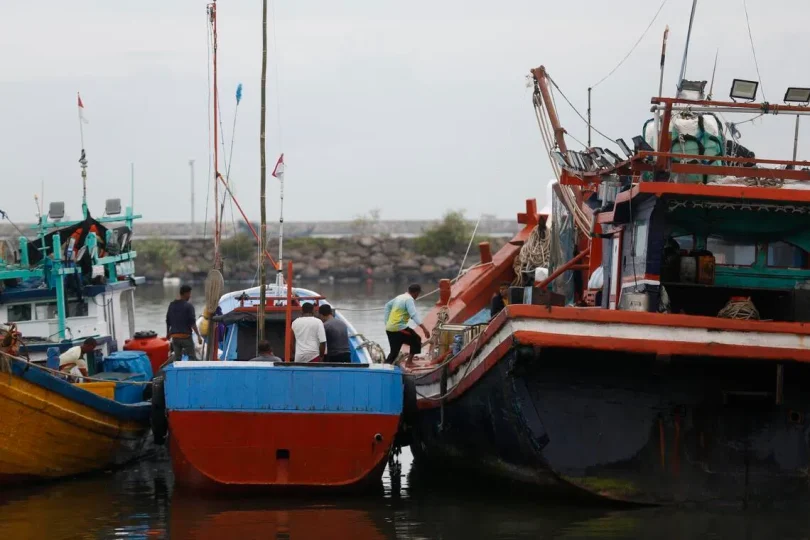
Capt Welch is one of many fishermen around the world whose boats are spending more time at the dock this spring as soaring fuel costs, driven up by the US-Israeli war on Iran, compromise their narrow profit margins, according to Reuters interviews with a half-dozen US fishermen and fishing groups and others around the world.
The issue, stretching from Maine’s rocky coast to South Korea and the Netherlands, could compound the Iran war’s already significant threats to the global food system as surging fertiliser prices caused by blocked shipments from the Middle East lead farmers to rethink their planting plans.
The United Nations Food and Agriculture Organisation said fuel price spikes in the past have not had much impact on the global fish catch.
“However, if elevated fuel prices persist over a longer period, the pressure on the sector could intensify and affect market dynamics,” said Mr Manuel Barange, director of FAO’s Fisheries and Aquaculture Division.
Fuel prices are already a major concern for consumers and businesses and pose a vulnerability for President Donald Trump’s Republican party as it seeks to defend slim majorities in the US Congress in the November midterm elections.
Mr Trump has courted the US commercial fishing industry as a political constituency, issuing an executive order in 2025 aimed at reducing regulation and advancing technologies to help it compete globally.
Capt Welch said it remained unclear how Maine’s reduced seafood catch might affect local lobster prices this summer, when throngs of vacationers hit the state, because dealers that buy and ship lobsters to restaurants are also getting hit by higher fuel costs they may not be able to afford.
“This affects us every day,” he said.
The average price of a gallon of diesel hit US$5.65 this week, up from US$3.55 a year ago, nearing a record high set in 2022 of US$5.82, according to AAA’s Fuel Prices monitor.
Fuel is a leading expense for fishing fleets, which might require tens of thousands of gallons to fill their boats.
Some shrimpers on the US Gulf Coast can no longer afford to fill their 15,000-gallon tanks and are skipping trips, said Ms Deborah Long, media liaison at the Southern Shrimp Alliance.
Even before fuel costs rose, the US shrimp industry was squeezed by imports, which drove down the value of the sector by 50 per cent between 2021 and 2023, according to a March report by the National Oceanic and Atmospheric Administration.
“That jump in price has taken away their entire margin,” Ms Long said.
The pain is also being felt in Alaska.
Fuel can account for as much as 40 per cent of the expenses for a fishing trip, according to Ms Linda Behnken, a fisherman in Sitka and executive director of the Alaska Longline Fishermen’s Association.
“It went up over a dollar a gallon from one week to the next and right before everybody was filling up with full tanks to start the season,” Ms Behnken said. “That’s a really big impact on the cost of operation.”
For now, the prices of halibut and sablefish, also known as black cod, are high enough that boats fishing for those species are still making regular trips, Ms Behnken said.
But when the less-profitable salmon season starts in July, diesel costs may be too high to justify leaving the dock, she said.
Fishing crews also face other rising costs due to inflation, like for bait and rope, said Mr Sonny Beal, president of the Maine Lobstermen’s Association.
“A lot of us are spending fewer days on the water,” he said.
In South Korea’s South Gyeongsang province, the number of vessels taking fishing trips for prizes like anchovy, gizzard shad, yellowtail and mackerel has dropped by more than 30 per cent since the war began, said Mr Lee Gi-sam, secretary general for the national fishermen’s alliance.
In Indonesia, boats are also mostly tied up, with fish prices not high enough to yield a profit with spiking diesel prices, said Mr Akhiq Falih Al Arif, a boat owner on the country’s north coast of Pati regency in Central Java.
Vessels that are already fishing at sea will stay out, but those who have returned to port will not go back out because of high fuel prices, said Mr Muhammad Billahmar, secretary0-general of the Indonesian tuna association.
Europe’s fleets have also taken a hit, with the Dutch Fishers Union reporting just weeks into the war that half its vessels were tied up instead of fishing. REUTERS