
Health
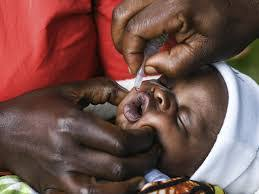
THE World Health Organization, WHO says vaccines prevent about 1.8 million deaths annually in Africa, underscoring their critical role in public health.
In a statement on Sunday marking African Vaccination Week (April 24–30), themed “For Every Generation, Vaccines Work,” Mohammed Janabi, Regional Director for Africa, emphasised that immunisation saved lives and strengthened families.
He added that vaccination allowed communities to thrive without the disruption of disease outbreaks.
According to him, since 2000, roughly 500 million African children have been protected through routine vaccination.
He said that protection extended beyond childhood, with HPV vaccines helping prevent cervical cancer in adolescent girls and maternal vaccines safeguarding both mothers and newborns, while booster doses maintained immunity into adulthood.
Janabi highlighted progress across the continent, including innovations such as digital tracking systems, solar-powered cold storage, and community-driven outreach.
“Malaria vaccines are now being introduced in 25 countries, and in December 2025, Cabo Verde, Mauritius, and Seychelles became the first in the WHO African Region to eliminate measles and rubella.
“Through initiatives like the Big Catch-Up, nearly 8.75 million previously unvaccinated children were reached, while coverage for diseases like diphtheria, tetanus, and whooping cough has rebounded to pre-pandemic levels.
“However, challenges remain, with about 6.7 million children still unvaccinated and 9.5 million under-immunised, often in conflict-affected or remote areas.”
Janabi called for renewed commitment, increased domestic funding, and stronger partnerships, stressing that immunisation was not only lifesaving but also economically beneficial, yielding an estimated 44 dollars return for every dollar invested.(NAN)
A.I
April 26, 2026
Tags: Mohammed Janabi WHO World Health Organization