
Filmmakers don’t just want to make a film. They want to build a career doing it. To achieve that, they need training that equips them with industry-relevant skills of the highest standard.
For the MultiChoice Talent Factory (MTF), this understanding is integral to all of its programmes. Academy graduates are equipped with the precise skills required by their industry, empowering them to become prime-time TV professionals.
Since MTF is a MultiChoice initiative, its three academies – in Lusaka, Nairobi and Lagos – provide training in the specific, high-demand technical skills needed by the industry-leading content producer.
MultiChoice, a Canal+ company, is the largest producer of authentic, original content on the African continent. “Africa’s most-loved storyteller” produced 5 340 hours of world-class local content in 2025.
MTF students are trained to these exacting MultiChoice standards. This leaves them well placed to excel in the industry once they graduate.
And excel, they do. MTF graduates speak with pride of the success they have found since leaving the highly respected hub of African film and television training.
Technical skills
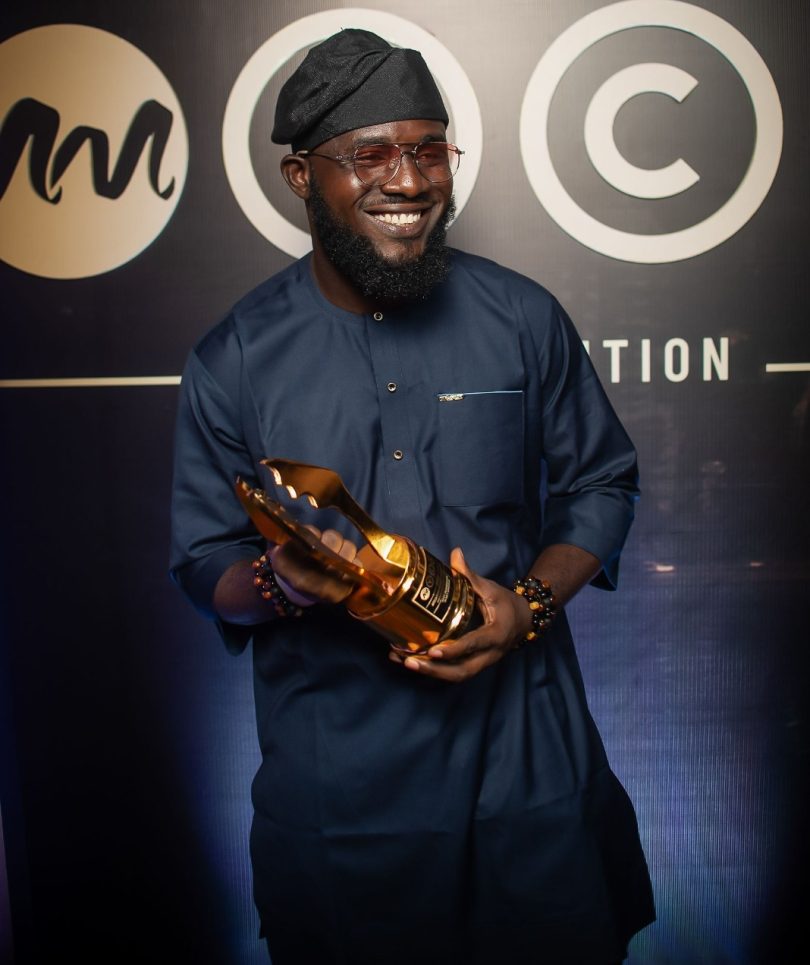
Actor, producer, writer and storyteller Myde Glover went on from MTF West Africa Academy to host film festivals and win Africa Magic Viewers’ Choice Awards (AMVCAs).
He credits much of his success to the storytelling skills he learned at MTF, as well as the technical standards the MTF Academy sets.
“The storytelling skills I gained at MTF helped me become a better actor, producer and director. It helps me put the story first,” he says. “However, I was also taught the technical and delivery requirements for submitting projects to platforms like DStv, GOtv, and Showmax. I approach every project with those standards in mind, understanding that quality matters in every aspect.”
Glover says the three most important things for aspiring filmmakers to remember are teamwork, being open to constructive criticism, and staying focused on their goal.
“Strong collaboration improves the quality of any production, feedback helps you grow creatively, and focus ensures you see projects through without losing sight of why you started,” he says.
Lifetime network
Graduating from MTF provides filmmakers with a network that can last a lifetime. Alumni often hire each other as they evolve through their working lives, creating a self-sustaining ecosystem of skilled professionals.
Bahati Kajigi Benjamin from DRC found that MTF gave him the network he needed to tell stories close to his heart.
“My experience with MTF was incredible,” says Benjamin. “I formed a family with my fellow students, and we bonded deeply. We collaborated on numerous films and wrote one that is particularly meaningful to me, illustrating the struggles of my people.”
That film was titled The Canvas, a Zee World project.
Benjamin currently works as a camera operator and editor at Sauti Media Hub in Uganda, producing Kampala Creme, one of the top East African reality shows. He says he secured the position through a recommendation from a fellow MTF alumnus.
Benjamin says his time at MTF was invaluable in honing his skills in cinematography and colour grading.
“I gained extensive knowledge about camera techniques, lighting, and colour harmony in film, which I am currently applying in my role at Kampala Creme.
Benjamin appreciates the importance of paying opportunities forward. He recently shared his cinematography expertise on a three-month online platform called Film Chat, aimed at empowering up-and-coming African creatives.
His advice to young creatives is to never overlook the importance of marketing themselves, and to remember that filmmaking is a business.
“Funders want to understand more than just the script or story,” he says. “You should spend time discussing the financial aspects and the impact the film will create. This is what appeals to investors. Ultimately, it’s an investment for a return.”
Career transformation
MTF West Africa graduate Allen Onyige pursued his passion for human behaviour and storytelling at MTF after leaving university and working in live broadcasting. He describes his time at MTF West Africa as “transformative”.
“MTF refined my creative vision, strengthened my technical skills, and played a pivotal role in shaping my journey as a filmmaker,” he says. “The experience changed my life and set me on the path toward meaningful visual storytelling.”
He says understanding the business side of broadcasting was just as important as the creative skills he gained.
After he left MTF, his production company was commissioned by Africa Magic to produce several series and feature films, including Ikenna’s Trial, Sikiru, Elenini, Kadara, and Dear Future Me.
In 2024, Onyige won the Best Indigenous Language Series award at the AMVCAs for Irora Iya. He also served as director of photography on Grind, now on Amazon Prime. His documentary Sunset in Makoko was nominated for Best Documentary at the AMVCAs. He also worked as a cinematographer on the Emmy Award–winning documentary Mothers of Chibok.