
Business
NIGERIA is eyeing a massive shift in its livestock economy, with stakeholders launching a coordinated effort to secure $275 million in exports and create 6,000 new jobs.
Currently, Nigeria’s livestock sector is undergoing a strategic shift towards global competitiveness, with stakeholders calling for innovation, structured financing and private sector investment to unlock its full potential.
The initiative, known as the Nigeria Red Meat Partnership (NiMeP), aims to transform the nation’s pastoral systems into a globally competitive, market-driven industry.
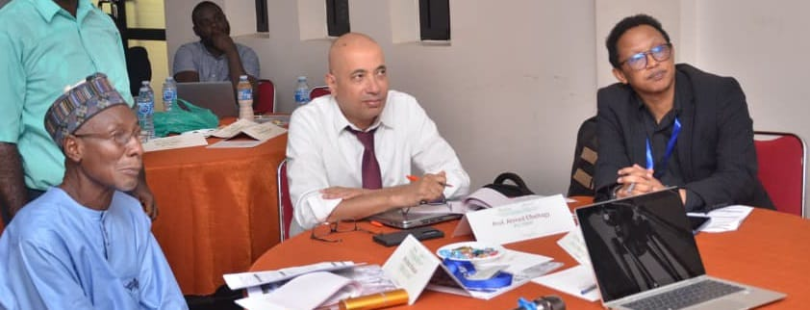
The project was a central focus of a three-day forum in Abuja organized by the African Union Inter-African Bureau for Animal Resources (AU-IBAR). The event, supported by the Bill & Melinda Gates Foundation, focused on facilitating private investment through the Africa Pastoral Markets Development (APMD) Platform.
NiMeP, led by the Commodities Development Initiative in collaboration with the Federal Ministry of Livestock Development, seeks to reposition the red meat industry as a cornerstone of Nigeria’s economic diversification.
Partnership Manager Nath Odiba emphasized that the goal extends beyond mere production. “Our focus is on exporting quality-assured, traceable, and certified products that can compete globally,” Odiba stated.
He noted that current global supply chain disruptions have opened a “billion-dollar export opportunity” for Nigeria, provided the country can meet international standards and scale.
Experts at the forum highlighted the need to move away from traditional, fragmented farming toward integrated value chains. Eric Allela, a Knowledge Management Expert with APMD, pointed to Ethiopia’s “Luna Model” as a blueprint for success.
By linking outgrowers to formal markets with veterinary support and traceability, the model has turned pastoral production into a profitable export industry. Crucially, this structured approach addresses the perennial issue of funding.
“When transactions are formalised and supply chains are predictable, lenders can finance based on cash flow rather than traditional collateral,” Allela explained. “That is a game changer for pastoral producers.”
The forum aimed to move beyond policy discussions to secure tangible business outcomes. Mohammed Eidie, Private Sector Engagement Expert at AU-IBAR, noted that the platform was designed to facilitate direct business-to-business (B2B) matchmaking.
“We are building the infrastructure of trust,” Eidie said. “This platform connects producers, buyers, and financiers in ways that lead to real contracts, not just conversations.”
The APMD Platform intends to use this framework to strengthen private sector participation, improve data systems, and embed climate resilience and gender inclusion into the livestock sector.
As the forum concluded, the consensus among stakeholders remained clear: Nigeria’s path to a competitive livestock sector depends on sustained private investment, robust policy reforms, and the successful integration of small-scale producers into the global value chain.
A.I
April 29, 2026
Tags: Nigeria targets $275M red meat export