
The need for Africa to protect itself from many external shocks not of its making has again been emphasised by the African Development Bank (AfDB), the African Union Commission (AUC), the United Nations Development Programme (UNDP), and the UN Economic Commission for Africa (UNECA).
On the margins of the 58th session of the Economic Commission for Africa in Tangier, Morocco, the continent was tasked to strengthen regional integration, accelerate African-led financial solutions, and invest decisively in energy, food, and trade resilience so as to move from vulnerability to preparedness.
The meeting focused on the spikes in energy, food and fertiliser prices caused by the ongoing conflict in the Middle East.
The United States and Israel launched airstrikes on Iran in February 2026, and since then, global oil prices have surged by more than 50 per cent as of late March. Twenty-nine currencies in Africa have weakened, raising the cost of servicing external debt and importing food, fuel, and fertiliser.
Disruptions linked to Gulf energy supplies limit access to ammonia and urea during the critical March–May planting season. This will affect agricultural production, compounding risks of crisis and emergency levels of food insecurity, especially for low‑income households and import‑dependent economies.
To address these issues, the quartet has asked African leaders to, in the short-term, stabilise fuel, food, and fertiliser supply, and execute medium‑term reforms to strengthen energy security, targeted social protection, and regional trade under the African Continental Free Trade Area (AfCFTA).
They also tasked leaders to come up with long‑term structural reforms towards stronger domestic resource mobilisation and African financial safety nets, including accelerated implementation of the African Financing Stability Mechanism.
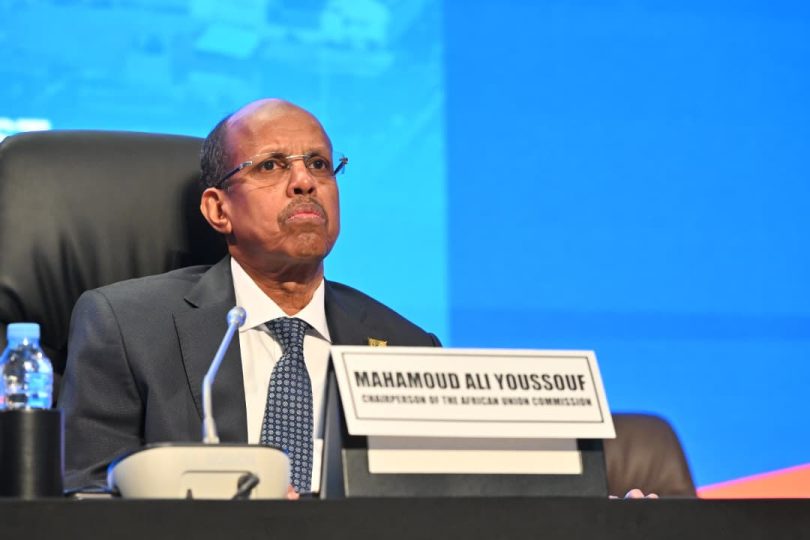
“Continued escalation of the conflict worsens global instability, with serious implications for energy markets, food security, and economic resilience, particularly in Africa, where economic pressures remain acute,” the chairperson of AUC, Mr Mahmoud Ali Youssouf, said.
Also commenting, the UN Under-Secretary-General and Executive Secretary of UNECA, Mr Claver Gatete, said, “Africa has been hit by too many external shocks not of its making. Crises like this reinforce why Africa must finance more of its own future and strengthen regional solutions that build resilience before the next shock hits.”
On her part, the UN Assistant Secretary‑General and Director of UNDP’s Regional Bureau for Africa, Ms Ahunna Eziakonwa, submitted that, “With the right mix of policy choices, financing tools, and political resolve, Africa can weather this shock and emerge more resilient, more self-reliant, and better positioned to shape its own economic future.”
“As global crises multiply, Africa’s response must evolve from managing shocks to fostering resilience. African institutions and development partners need to act swiftly and in concert, leveraging their comparative advantages to cushion short-term shocks while laying the foundations for long-term resilience,” the president of AfDB, Mr Sidi Ould Tah, stated.