
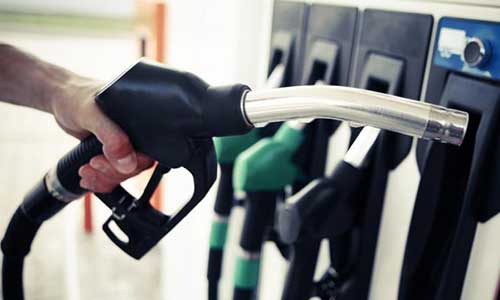
Transport fares have increased across several parts of Nigeria following another surge in petrol prices, with the product now selling for as much as ₦1,400 per litre in some locations as global crude oil prices climbed above $100 per barrel.
Fresh market data showed that ex-depot prices rose across Lagos, Warri and Calabar, increasing the cost at which petroleum marketers obtain products and forcing filling stations and transport operators to adjust their prices.
In Lagos, A.A. Rano raised its ex-depot price from ₦1,275 to ₦1,279 per litre, while African Terminal, Ascon, Gulf Treasure, Integrated and T.Time increased their prices to ₦1,275 per litre.
Aiteo, Heyden and NIPCO retained their existing prices at ₦1,275 per litre, while Emadeb reduced its rate slightly from ₦1,278 to ₦1,274 per litre.
The adjustments followed the resumption of gantry loading of Premium Motor Spirit in naira by the Dangote Petroleum Refinery after a one-week suspension.
The refinery resumed loading on Thursday but raised its ex-depot petrol price to ₦1,215 per litre, an increase of ₦140, or 13.02 per cent, from the previous price of ₦1,075 per litre.
Dangote Refinery had suspended gantry and coastal loading on July 15 after introducing a dollar-denominated pricing system for its refined petroleum products.
Under the temporary dollar-based arrangement, petrol was sold at $0.779 per litre, Automotive Gas Oil, popularly known as diesel, at $1.087 per litre, and Jet A1 aviation fuel at $0.942 per litre.
The refinery reportedly attributed the switch to difficulties in obtaining sufficient crude oil through the Federal Government’s naira-for-crude arrangement, which was designed to supply domestic refineries with crude in exchange for naira payments.
The increase has triggered frustration among Nigerians, who accused petroleum marketers of quickly raising pump prices whenever international crude prices rise but failing to reduce them at the same speed when global prices fall.
Before the latest escalation of hostilities in the Middle East, Brent crude had declined to about $70 per barrel, close to its February level. However, consumers said petrol prices remained above ₦1,000 per litre despite having sold for about ₦700 before the United States-Iran conflict.
Although the Federal Government reportedly summoned marketers and demanded that domestic fuel prices reflect the earlier decline in international crude prices, consumers said no significant reduction was implemented before renewed hostilities pushed crude prices upward again.
In the Federal Capital Territory, residents said transportation now consumes an increasingly large portion of their earnings, with commuters reporting fare increases of between 20 and 40 per cent on some routes compared with prices recorded a few weeks earlier.
A civil servant, Grace Okeke, said every increase in petrol prices immediately translated into higher transportation expenses, even though workers’ salaries remained unchanged.
“My salary has not changed, but I now spend much more just getting to work and back. It is becoming impossible to survive in Abuja,” she said.
Another Abuja resident, Musa Ibrahim, warned that the rising transportation costs would inevitably increase food prices because farmers, traders and transporters would transfer the additional expenses to consumers.
“Transportation affects everything. Farmers, traders and transporters will simply transfer the additional cost to consumers. Ordinary Nigerians are the ones paying the price,” he said.
Commercial drivers also said they had little choice but to adjust fares to remain in business.
A taxi operator, Emmanuel Ujah, said frequent petrol price changes had made it difficult for drivers to plan their daily operations because they could not predict what the product would cost the following day.
Another driver, Ganiyu Jide, said fuel now consumes the largest portion of his daily earnings, adding that operators would be unable to maintain their vehicles or provide for their families unless they increased fares.