
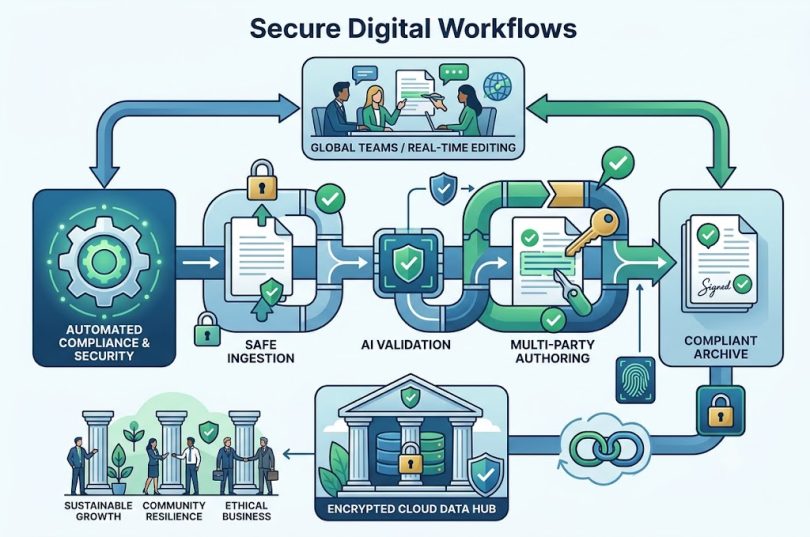
Whether accessing engineering software, managing design repositories, or collaborating with distributed teams, professionals regularly create accounts across multiple online platforms. Protecting those accounts starts with strong security practices, including password management, multi-factor authentication, and reliable verification methods. Reports covering global cybersecurity developments continue to demonstrate how evolving cyber threats are encouraging organizations to strengthen identity verification across their digital infrastructure.
Many online platforms require SMS verification before activating new accounts or unlocking specific features. For legitimate verification scenarios that require a temporary number, BotCode SMS Free Online provides a practical solution for receiving verification codes while helping users maintain greater privacy during supported account registrations.
Verification serves a much broader purpose than simply confirming account ownership. It helps technology providers reduce fraudulent registrations, protect platform integrity, and improve trust among legitimate users.
Some key benefits include:
As digital collaboration expands across industries, these safeguards become increasingly valuable.
Engineers, product designers, and developers often manage numerous software subscriptions, cloud platforms, testing environments, and collaboration tools. Each additional account increases the need for organized credential management.
Recent insights discussing enterprise cybersecurity trends emphasize that businesses continue investing in stronger identity management strategies as hybrid work environments and cloud-based services become standard across technical industries.
Security should be integrated into every stage of a digital workflow rather than treated as an afterthought. Organizations that prioritize authentication and access control often reduce operational risks while improving long-term reliability.
Unique passwords and multi-factor authentication remain among the most effective methods for protecting professional accounts. Combined with secure verification processes, these measures significantly reduce unauthorized access.
Project administrators should periodically review user permissions to ensure former collaborators, contractors, or inactive accounts no longer retain unnecessary access to sensitive information.
Software vendors regularly release security patches that address newly discovered vulnerabilities. Keeping engineering applications updated protects both users and project data from emerging threats.
Modern engineering rarely happens in isolation. Cloud platforms allow geographically distributed teams to collaborate on CAD models, manufacturing documentation, software development, and product lifecycle management.
Secure verification plays an important role by helping:
As remote collaboration continues expanding, verification systems become increasingly important to maintaining platform integrity.
Technology professionals already understand the value of system reliability. Applying that same mindset to account security helps create stronger digital environments.
Consider adopting these habits:
These practices require minimal effort while offering meaningful long-term protection.
Innovation often focuses on creating faster, smarter, and more efficient technologies, but sustainable innovation also depends on trust. Secure verification systems, responsible authentication practices, and informed users all contribute to healthier digital ecosystems where professionals can collaborate confidently.
As engineering platforms, cloud applications, and collaborative design tools continue evolving, organizations that balance usability with strong account security will be better positioned to support innovation without compromising user protection. Thoughtful verification practices remain a fundamental part of building secure and reliable digital experiences.