
A 42-year-old woman from the UK was diagnosed with a rare brain infection after returning from a trip to India. Doctors found 38 parasites in her brain after she began suffering from seizures and severe headaches.
The woman, Lowri Denman, had travelled to India in 2007 for a three-month visit. A few years later, in 2010, she was shocked when she passed a tapeworm while using a restaurant bathroom.
Although early medical tests did not show anything unusual, her health problems became more serious over time.
Seizures led doctors to discover parasites in her brain
In 2011, Lowri suffered her first seizure. Doctors carried out brain scans and discovered 38 parasites inside her brain.
She later shared that she and her mother were left stunned when doctors explained the diagnosis.
Over the following years, she experienced severe headaches, seizures, confusion, numbness, tingling sensations, and even episodes of psychosis and anxiety.
How did she get infected?
Doctors believe Lowri contracted the infection during her visit to India.
Although she avoided meat during the trip to reduce the risk of food poisoning, she may have accidentally consumed food contaminated with microscopic pork tapeworm eggs.
These eggs can enter the body through contaminated food, water, or poor hygiene practices.
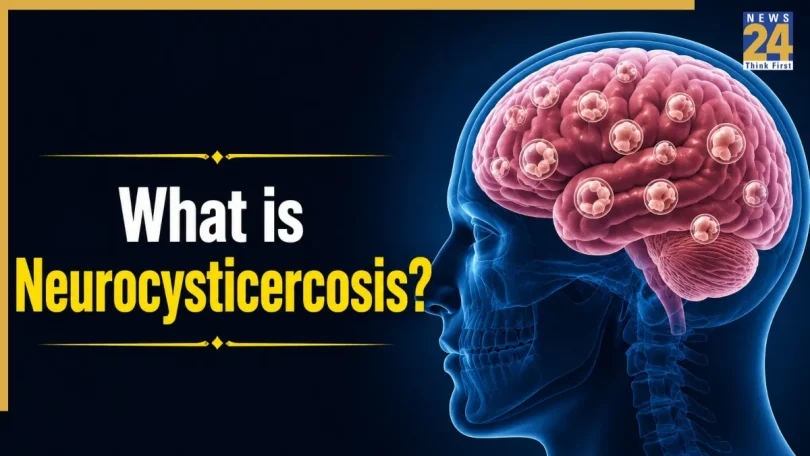
What is Neurocysticercosis?

Neurocysticercosis is a preventable parasitic disease that affects the brain and central nervous system.
It is caused by the larvae of the pork tapeworm, which travel through the bloodstream and form cysts in the brain.
The condition is one of the leading causes of epilepsy in many parts of the world.
What causes Neurocysticercosis?
People can become infected by:
- Eating undercooked pork containing tapeworm larvae.
- Consuming food or water contaminated with tapeworm eggs.
- Poor hand hygiene and sanitation.
Once inside the body, the larvae can spread to different tissues, including the brain, muscles, eyes, and skin.
Symptoms of Neurocysticercosis
Symptoms vary depending on the number and location of cysts in the brain. Common symptoms include:
- Seizures
- Persistent headaches
- Memory and thinking problems
- Weakness or numbness
- Changes in behaviour or mental state
- Confusion and difficulty concentrating
Some people may not show symptoms for several years.
How is Neurocysticercosis treated?

Treatment depends on the severity of the infection and the patient’s symptoms.
Doctors may use:
- Anti-seizure medicines
- Steroids to reduce inflammation
- Anti-parasitic drugs
- Surgery in severe cases
In Lowri’s case, surgery was not needed because the parasites eventually died and became calcified in her brain.
Read Also: Yogi govt’s big connectivity boost for Noida Airport: UPSRTC launches new bus timetable, double-decker services to Jewar Airport now, check routes and timings
First published on: Jul 02, 2026 06:43 PM IST
Get Breaking News First and Latest Updates from India and around the world on News24. Follow News24 on Facebook, Twitter.
End of Article
About the Author

Navya Dubey
Navya Dubey is a Sub-Editor at News 24 with two years of experience in journalism. Passionate about storytelling and reporting, she covers a wide range of topics including politics, crime, general news, and breaking stories. She also takes a keen interest in trending and viral content, bringing readers engaging and thought-provoking stories that capture public interest.
Read MoreRelated Story


