
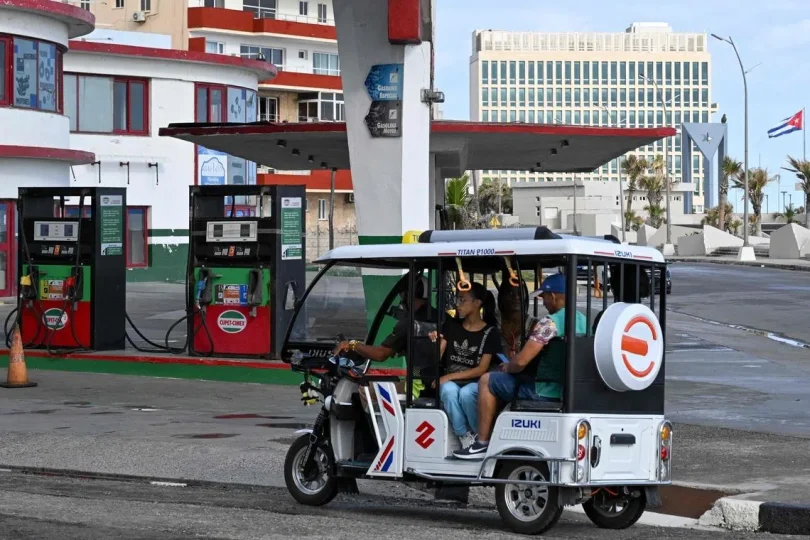
WASHINGTON – The United States issued sanctions against Cuban state oil company Union Cuba Petroleo (CUPET), the Treasury Department website showed on June 11, adding more obstacles for the island’s government to import much-needed fuel.
Washington has imposed sanctions on an array of Cuban entities and people, including the island nation’s president, as it seeks to intensify pressure on Cuba’s communist leaders.
The sanctions follow the US declaration of a national emergency in 2026 that would impose tariffs on any country that supplies oil to the island, a move that has deprived it of fuel imports, contributing to widespread power outages.
“Cuba’s Communist elites have weaponised energy as a tool of social control and kleptocratic profit,” US Secretary of State Marco Rubio said in a social media post.
“For decades, the regime has stolen and hoarded available fuel – using it for the Castros’ private jet, the security services forces used to repress the Cuban people, to keep empty tourist hotels lit up, and to bus people in for fake protests and political stunts – all while the Cuban people have suffered blackouts and waited weeks to fill their cars,” he added.
Cuba has rejected those allegations and has said US sanctions on the island amount to “genocide”.
“The sanctions against CUPET are part of a plan to strangle… Cuba, which has a direct impact, in a criminal way, on the Cuban people. Stop the collective punishment against children, pregnant women, the chronically ill, the elderly and the rest of the people of Cuba,” said Lianys Torres, Cuba’s top diplomat in Washington.
The United Nations’ human rights chief underscored those concerns earlier this week, warning the US sanctions were causing “widespread harm to the population and endangering lives”.
The UN says the US measures are a violation of international law and amount to “energy starvation”, crippling public services such as the provision of food, water and electricity to the population and undermining the human rights of all Cubans.
State-run CUPET is in charge of Cuba’s oil production, refining and fuel imports. The strict US blockade has prevented the island from receiving crude or fuel for months, which is contributing to severe fuel scarcity, including for power generation.
Cuba’s latest oil import arrived from Russia in late March, giving the island a breather amid acute scarcity. Another tanker carrying Russian fuel bound for Cuba that waited for weeks in the middle of the Atlantic Ocean diverted course in late May, leaving the country empty-handed.
Washington has also blocked any oil supplies from Venezuela, which used to be Cuba’s largest oil provider, since US forces captured President Nicolas Maduro in January.
The US Treasury’s action freezes any US assets of the company and generally bars Americans from dealing with it.
A group of Cuban-flagged vessels that transported Venezuelan oil to Cuba had previously been sanctioned.
The fresh sanctions follow media reports that US firm Vanguard Energy had planned to export a large cargo of gasoline and diesel to Cuba. The US State Department subsequently said it had not issued Vanguard a licence for the transaction.
The Trump administration earlier in 2026 authorised some fuel exports to Cuba’s private sector under a broader US policy designed to give private business interests in Cuba a leg up over state-run enterprises.
It was not immediately clear how those shipments – already under way though generally smaller in quantity – might be impacted by the latest sanctions to hit CUPET. REUTERS