
Women
A UNICEF-supported study has highlighted growing risks of online sexual abuse facing children in Nigeria and called for stronger protection systems to address emerging threats in digital spaces.
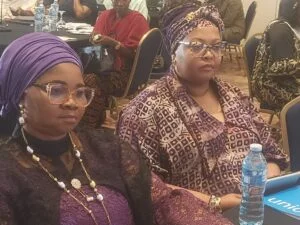
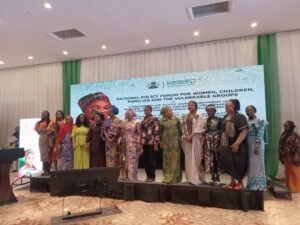
The findings were presented during a four-day national review and validation exercise held in Abuja under the National Policy Forum for Women, Children, Families and Vulnerable Groups.
The forum was organised by the Federal Ministry of Women Affairs and Social Development to review policies and frameworks aimed at strengthening protection for vulnerable populations nationwide.
Dr Ebunoluwa Jaiyesimi, a research consultant, presented the study during a session focused on child protection and support services for survivors of sexual violence.
The study examined Nigeria’s Sexual Assault Referral Centre (SARC) model, which provides comprehensive services for survivors, including medical, psychosocial and legal support.
According to the report, the number of SARC centres has expanded significantly from one centre in 2013 to 52 centres across 25 states and the Federal Capital Territory.
The report noted that the centres provided medical treatment, psychosocial counselling, forensic services and referrals to relevant institutions for comprehensive survivor support and recovery.
It found that survivors and their families highly valued SARCs because they provided safe, confidential and accessible services tailored to the needs of victims.
The study also observed that the centres improved service delivery by integrating multiple forms of assistance in one location, reducing barriers to accessing support.
However, the report identified online grooming, sexual extortion, cyberbullying involving sexual content and the circulation of child sexual abuse materials as emerging threats.
It emphasised that responses to online abuse remained at a developmental stage and required stronger institutional frameworks to effectively safeguard children from digital exploitation.
The study noted that the existing SARC model provided a strong foundation for addressing abuse linked to digital platforms and online interactions.
Participants in the discussion included representatives of UNICEF Nigeria, including Mona Aika, Officer-in-Charge and Chief Child Protection, and Dr Godwin Chinedu Odo, Child Protection Specialist.
The report further identified stigma, underreporting and financial constraints as major barriers preventing many survivors from accessing available support and protection services.
It also highlighted inconsistencies in referral pathways and coordination mechanisms across some states, which affected the effectiveness of response systems.
The study recommended stronger collaboration among health, justice and women affairs institutions to improve child protection responses and support for survivors.
It also called for improved forensic capabilities, specialised professional training and legislative reforms to better address online sexual abuse and exploitation.
The report advocated sustainable funding for Sexual Assault Referral Centres and the expansion of services to underserved communities across the country.
According to the study, effective child protection requires responsive systems capable of addressing both physical and online forms of abuse confronting children.(NAN)
A.I
June 19, 2026
Tags: Dr Ebunoluwa Jaiyesimi UNICEF study