
1 / 6
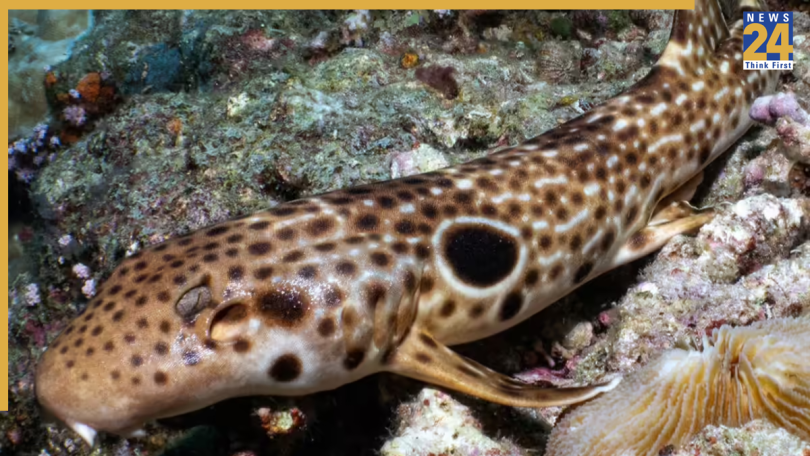
Researchers have discovered a new species of walking shark, named Dudgeon’s walking shark (Hemiscyllium dudgeonae), in shallow reefs off Papua New Guinea. DNA analysis confirmed it as the tenth known walking shark species. The shark uses its fins to move across reef floors and may face threats from habitat loss, climate change, and overfishing.
Scientists Discover a New Species of Walking Shark

2 / 6
Researchers have identified a new species of “walking shark,” a rare group of small carpet sharks that use their fins to move or “walk” across shallow coral reefs. The newly discovered species has been named Hemiscyllium dudgeonae, or Dudgeon’s walking shark, after marine scientist Christine Dudgeon, who has spent more than 20 years studying walking sharks. The shark was discovered in the waters around southeastern Papua New Guinea and was officially described in a study published on June 15 in the Journal of the Ocean Science Foundation.
Discovery Happened by Chance During Another Survey

3 / 6
The research team was actually searching for another species called Michael’s walking shark (Hemiscyllium michaeli) when they spotted an unfamiliar brown-spotted shark moving across the reef. Christine Dudgeon immediately caught the shark and brought it back to the boat. Doctoral student Jess Blakeway then noticed that its body pattern looked different from the species they were studying. Initially, the team was unsure whether the unusual markings were simply a variation or evidence of a completely new species. Within two days, researchers found 11 more sharks with the same pattern across three different reef locations. The group included males, females, juveniles, and adults, confirming that the markings were consistent.
DNA Testing Confirmed It Was a New Species

4 / 6
To verify their discovery, researchers analyzed DNA samples from the newly found sharks and compared them with genetic data from the other nine known walking shark species. The genetic tests confirmed that the population represented a previously unknown species. With this discovery, the total number of known walking shark species has increased from nine to ten. Scientists say the finding is particularly exciting because most newly discovered shark species are usually found in deep ocean waters. In contrast, Dudgeon’s walking shark was discovered in very shallow water, less than one meter (about three feet) deep.
What Makes Walking Sharks So Special?

5 / 6
Walking sharks spend their entire lives around coral reefs rather than in the open ocean. They use their pectoral and pelvic fins to “walk” across the seafloor, especially during low tide when parts of the reef become separated from deeper water. This unique ability allows them to continue hunting for food even when oxygen levels in the water drop. Scientists believe the walking behavior evolved as an adaptation to tropical reef environments, where changing tides can dramatically affect oxygen levels. Research has shown that some walking shark species can survive in low-oxygen conditions for several hours, although scientists are still studying exactly how they do this.
Conservation Concerns and Future Research

6 / 6
So far, Dudgeon’s walking shark has only been found at three locations in Papua New Guinea. If future studies confirm that the species lives in a very limited area, it could be vulnerable to threats such as habitat destruction, climate change, and overfishing. Many walking shark species tend to stay close to the reefs where they are born, making it difficult for them to move to new habitats if their environment is damaged. Because of this, species with small geographic ranges can face a higher risk of population decline. The discovery highlights how much marine biodiversity remains unexplored, even in relatively shallow waters. Researchers plan to continue studying the species in Papua New Guinea to learn more about its behavior, habitat, and conservation needs. According to Christine Dudgeon, many people are unaware of the incredible diversity of sharks and their relatives, including rays, skates, and chimeras. She emphasized that very few shark species are dangerous to humans and that these animals continue to surprise scientists with their unique adaptations and diversity.