
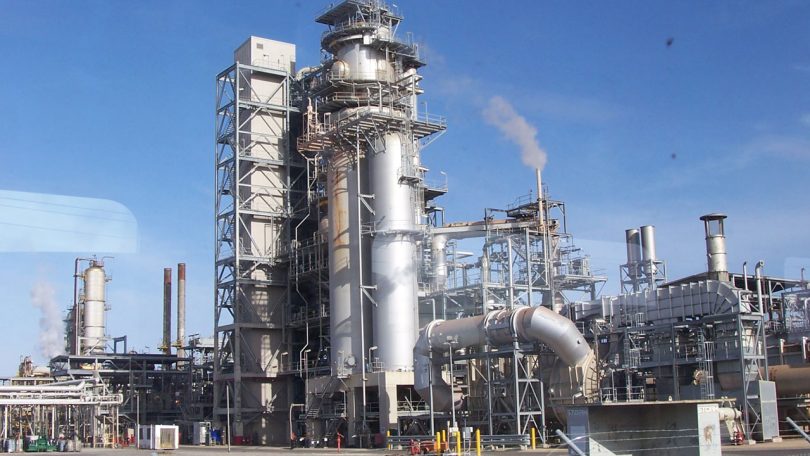
The recent denial by Dangote Petroleum Refinery and Petrochemicals dismissing allegations of petroleum product re-importation via Lomé has sparked further scrutiny, with industry observers raising questions about gaps between official statements and market realities.
While the refinery insists that such claims are “baseless” and lack commercial logic, stakeholders argue that Nigeria’s downstream petroleum sector has long been shaped by opaque trade practices, arbitrage opportunities, and weak regulatory enforcement — factors that cannot be ignored in assessing the credibility of such denials.
Dangote Refinery maintains that its contracts prohibit the resale or re-importation of products into Nigeria. However, experts note that contractual clauses alone do not always prevent diversion in global oil trading, where intermediaries, third-party traders, and offshore transactions can obscure final destinations.
“There is a difference between policy and enforcement,” a downstream analyst noted. “Once products are sold to international traders, tracking their final market destination becomes significantly more complex, especially in regions with porous trade routes like West Africa.”
The refinery’s argument that the logistics cost of $82–$90 per metric ton makes the alleged trade route unviable is also being questioned. Market analysts point out that arbitrage opportunities in petroleum trading are not solely dependent on logistics costs but can emerge from pricing disparities, currency fluctuations, subsidy regimes, and supply shortages — all of which have historically influenced fuel movements across borders in the region.
Nigeria’s own history of fuel smuggling and cross-border trade further complicates the narrative. For decades, petroleum products have moved between Nigeria, Benin Republic, and Togo — often outside official channels — driven by price differentials and demand imbalances. Critics argue that dismissing the possibility outright ignores these entrenched market dynamics.
Although Dangote Refinery highlights its product traceability systems, questions remain about the transparency of such mechanisms and whether independent verification is available. Without third-party oversight or publicly accessible data, claims of “full visibility” across the supply chain remain difficult to independently confirm.
Furthermore, some stakeholders suggest that the refinery’s dominant market position could inadvertently create pricing conditions that encourage parallel trade. If domestic pricing becomes less competitive relative to regional markets, traders may still find ways — formal or informal — to exploit arbitrage gaps.
The broader concern, analysts say, is not just whether Dangote directly facilitates re-importation, but whether systemic loopholes within the West African petroleum trade ecosystem could enable such outcomes indirectly.
While the refinery reiterates its commitment to reducing Nigeria’s dependence on imports and strengthening local supply, critics argue that achieving these goals requires more than assurances. Greater transparency, independent monitoring, and collaboration with regulators will be essential to address lingering doubts.
As Africa’s largest refinery, Dangote’s operations carry significant influence over regional fuel markets. With that influence comes heightened scrutiny — and the expectation that its claims will withstand not just internal validation, but external verification as well.