
(This article is part of the View From India newsletter curated by The Hindu’s foreign affairs experts. To get the newsletter in your inbox every Monday, subscribe here.)
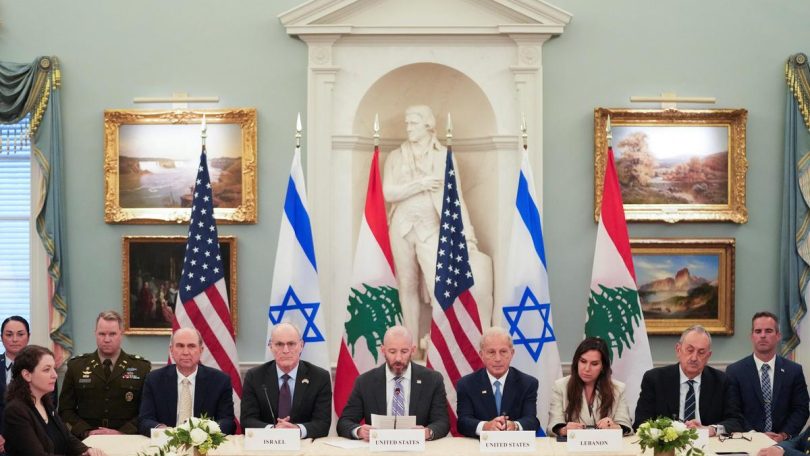
When Israel and Lebanon agreed on June 3, 2026, to implement a ceasefire that was contingent on a “complete cessation” of fire by Iran-backed Hezbollah, and to set up “pilot zones” under the exclusive control of the Lebanese armed forces, the fragility of this “ceasefire” was already clear.
The agreement emerged from the fourth round of direct talks between Lebanese and Israeli diplomats in Washington since fighting erupted on March 2, when Hezbollah renewed attacks against Israel in support of Iran. According to reports, U.S. President Donald Trump sought to keep negotiations on Lebanon separate from those pertaining Iran, while Tehran maintained that the two conflicts were linked. Iranian Foreign Minister Abbas Araghchi warned that any attack on Beirut would trigger a “full-scale resumption” of war.
At a time when ceasefires across West Asia remain tentative at best, prospects for durable peace appear weak. In a recent editorial The Hinducontended that the truce will remain incomplete unless Israel withdraws from southern Lebanon and adheres to its commitments.
And today, we are seeing the April 8 ceasefire between Iran and the U.S. further crumble, as the Israeli military launched airstrikes on Iran, after Iran reportedly fired missiles at northern Israel. This is the first time that Israel and Iran have traded strikes since a ceasefire two months ago. Follow The Hindu’s live updates on this latest round of escalation, here:
In this context, tensions appear to be emerging within the Israel–U.S. alliance as differences grow over how to deal with Iran. While Washington seems increasingly open to diplomatic engagement and a potential agreement, Israel continues to advocate a tougher, security-first approach amid escalating regional tensions. In this video, our Foreign Affairs Editor Stanly Johny examines the latest developments in Lebanon, President Trump’s dilemma, the UAE’s role in regional diplomacy, and more. Watch here.
Top 5 stories we are reading this week
1. Why did riots break out in Southampton? – Sriram Lakshman explains
2. India-China relations have improved from ‘reset and fresh start’ to ‘new level’: Chinese envoy Xu Feihong – Ananth Krishnan reports from The Hindu Huddle 2026
3. The ‘harvest’ China wants is one India cannot afford, Ambassador Ashok K. Kantha writes
4. Foreign Ministers meet ahead of PM Modi’s Indonesia visit – Kallol Bhattacherjee reports
5. Funding India’s climate future, the ‘trillion-dollar question’ – Balakrishnan Pisupati writes
Published – June 08, 2026 05:07 pm IST