
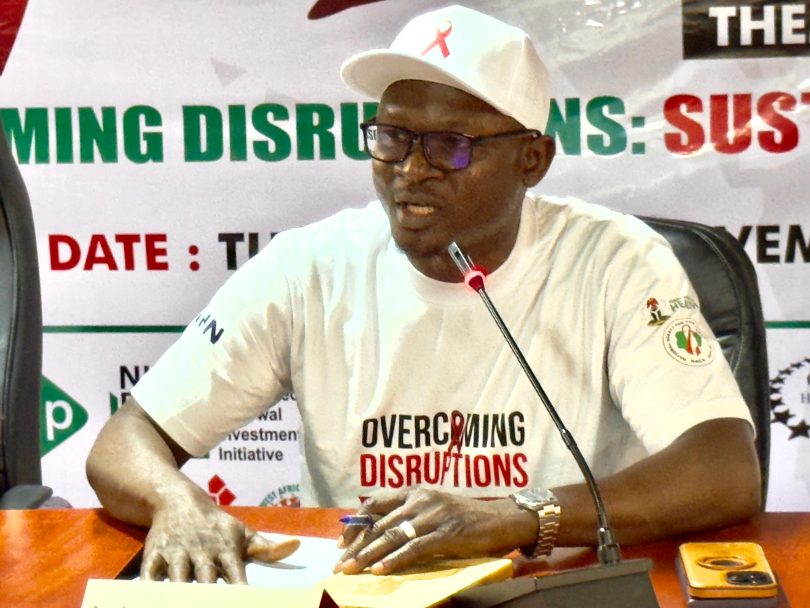
The Network of People Living with HIV/AIDS in Nigeria (NEPWHAN) has warned that the ongoing shortage of tuberculosis (TB) medicines and diagnostic commodities is putting the lives of thousands of Nigerians at risk.
In a statement issued on Thursday, Abdulkadir Ibrahim, NEPWHAN national coordinator, expressed concern over the stock-out of critical TB commodities and accused the government of failing to adequately finance TB programmes and fulfil counterpart funding commitments.
Ibrahim said Nigeria continues to bear one of the highest TB burdens globally, adding that the shortage of medicines and diagnostic supplies has created a public health emergency.
He said the situation poses a particular threat to people living with HIV, among whom TB remains the leading cause of death.
His words: “Recent Community-Led Monitoring (CLM) findings from NEPWHAN and its implementing partners indicate widespread disruptions in the availability of essential TB commodities across monitored health facilities.
“Community monitors documented repeated reports of stock-outs and rationing of anti-TB medicines, diagnostic commodities, and laboratory supplies, resulting in delayed treatment initiation, interrupted treatment continuity, and increased referrals of patients to multiple facilities in search of medicines.”
According to Ibrahim, NEPWHAN’s first-quarter monitoring data showed that 64.2 per cent of monitored facilities reported stock-outs of at least one essential TB commodity, particularly Drug Susceptible TB CAT1 medicines.
He added that 58.2 per cent of facilities reported shortages of GeneXpert diagnostic materials and sputum collection supplies, while 43 per cent of patients interviewed said they were asked to return at a later date because commodities were unavailable.
“These findings demonstrate that the TB commodity shortage is already affecting service delivery and patient outcomes.
“For people living with HIV, who remain at significantly higher risk of developing TB, interruptions in TB diagnosis and treatment substantially increase morbidity and mortality while undermining national HIV epidemic control efforts,” he said.
The NEPWHAN coordinator also raised concerns over the shortage of medicines used to prevent and treat opportunistic infections among people living with HIV, particularly those with advanced HIV disease.
He said the organisation continues to receive reports from community members unable to access medicines for conditions including cryptococcal meningitis, tuberculosis and severe bacterial infections.
“For individuals diagnosed late, returning to care after treatment interruption, or experiencing treatment failure, the lack of access to these critical medicines significantly increases the risk of severe illness and death,” he said.
Ibrahim said a recent supervisory visit conducted under the THRIVE Project found that only a few facilities in Anambra state had opportunistic infection medicines in stock, while facilities visited in Benue and Rivers reported shortages.
“For communities affected by HIV and TB, this is not merely a supply-chain challenge; it is a life-threatening crisis with far-reaching consequences for patients, families, and the health system,” he said.
He warned that treatment interruptions increase the risk of severe illness, drug resistance, preventable deaths and continued transmission of TB.
Ibrahim commended the Global Fund for supporting more than 500,000 newly identified TB patients placed on treatment in 2025 through its 2026 grant allocation.
However, he urged the Federal Executive Council to approve and release funds for the immediate procurement of TB medicines and commodities.
He said: “People Living with HIV affected by advance HIV diseases are dying due to Government’s inaction. These deaths are not merely statistics; they represent parents, children, breadwinners, and community members whose lives could often be saved through timely diagnosis and access to appropriate treatment for opportunistic infections and Advanced HIV Disease.”
Ibrahim called on the federal government to take urgent action to prevent the crisis from worsening and reversing gains made in the fight against HIV and TB.
“The lives of thousands of Nigerians depend on swift and decisive action. We therefore urge the Federal Government to act now before this crisis escalates further and undermines years of progress in the fight against TB and HIV,” he added.